Banana bunchy top disease poses a production risk to Ghana's banana and plantain sector, although the disease has not yet been reported in the country. PlantwisePlus is supporting early detection and prevention measures following confirmed cases in neighbouring Benin and Nigeria.
The disease is caused by a virus transmitted by the banana aphid, Pentalonia nigronervosa. Movement of infected planting material accelerates the spread. The pathogen reduces plant growth and yield and can reach 100% crop loss if unmanaged.
A CABI study in 2025 estimated potential yield losses for plantain farmers ranging from 2.75 tons per hectare at 20% loss to 13.75 tons per hectare at 100% loss. Income losses were estimated between US$413 and US$2,063 per hectare. For banana farmers, projected losses ranged from 2.4 tons per hectare to 12 tons per hectare, corresponding to income losses of US$289 to US$1,444 per hectare.
 © CABI
Bananas and plantains form part of Ghana's domestic food supply and trade flows. Unchecked spread could affect smallholder incomes, food security, and export trade.
PlantwisePlus operates through three pillars: pest preparedness, farmer advisory services, and pesticide risk reduction. In Ghana, pest preparedness includes horizon scanning, risk analysis, surveillance, and coordinated response planning. The disease was first flagged as a risk in 2020. A formal risk analysis was undertaken in December 2022. Authorities now conduct annual surveillance for early detection.
In October 2025, PlantwisePlus convened representatives from government, research, and plant health agencies to review and refine Ghana's preparedness plan. The focus included surveillance protocols, emergency response procedures, and coordination among extension services, farmer groups, and ministries. The aim is to ensure rapid mobilisation if the virus is detected.
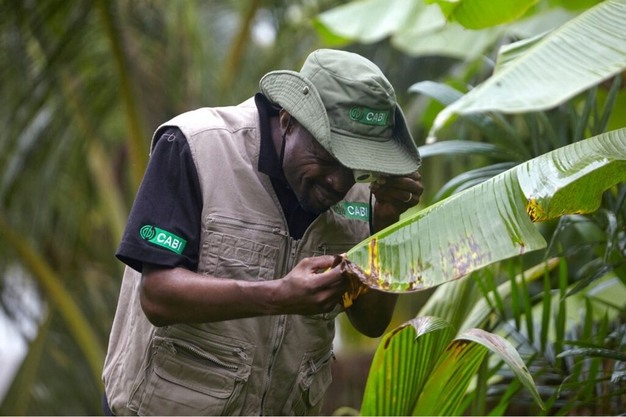
Next steps include finalising and validating the action plan and extending awareness at the community level. Training will be expanded to extension officers, plant doctors, and farmers to support symptom identification and monitoring. Stakeholders will also promote the use of clean planting material and strengthen cross-border cooperation to reduce the risk of introduction.
Authorities are emphasising early detection and coordinated response as key measures to limit potential production and income impacts.
 For more information:
Victor Attuquaye Clottey
Cabi
Tel: +233 (0) 302 797 202
Email: [email protected]
www.blog.plantwise.org