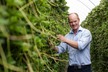
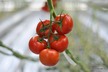
In Itapeva, Brazil, dry weather and high temperatures since January have increased pressure from whiteflies and leafminers, requiring intensive phytosanitary control in open-field tomato production. According to sources consulted by Hortifrúti/Cepea, most fields transplanted between July/25 and October/25 have completed or are nearing the end of harvest. These areas reported a higher share of top-grade fruit and fewer pest-related defects.
However, between November/25 and December/25, higher humidity resulted in cases of late blight. This led to leaf lesions and, in some cases, impacted fruit quality. From January onward, below-average rainfall combined with heat intensified whitefly and leafminer pressure. Growers in the São Paulo market reported an increased incidence of geminivirus, transmitted by whiteflies, particularly in fields transplanted over the past two months.
During the 2025/26 season, producers increased investment in resistant or tolerant varieties to geminivirus as a preventive measure against crop losses. Leafminers are being managed through phytosanitary programs. While these measures are effective against the pest, they may facilitate the entry of fungal and bacterial diseases into plants, with an impact on productivity.
Current yields in affected areas range from 300 to 380 boxes per 1,000 plants. High temperatures have also raised the incidence of sunscald on fruit, affecting marketability. In fields not affected by pest pressure or late blight, yields reached between 450 and 500 boxes per 1,000 plants.
Harvest volumes in Itapeva are expected to decline slightly in March, while remaining relevant. A more pronounced reduction is projected from April onward. In the partial results of the season from November/25 to February/26, growers received an average of R$ 45.52 per box, weighted by classification and harvest calendar. This level was 4.21% above the average production cost.
In the São Paulo region, tomato transplanting will be completed this month, with the season expected to conclude in June.
Source: HFBrasil