Strawberry production in Uzbekistan is changing as growers integrate new management approaches and protected cultivation systems. Rustam Ismatullayev, whose family has farmed since the 1960s, began independent farming in the early 2000s and expanded his holdings to 10 hectares by 2013. Over the following decade, he tested strawberry cultivation across regions, including Khorezm and the Ferghana Valley, to evaluate soil and climate effects.
"Those years of trial and error taught me what really works," says Rustam. "How the soil, the weather, and the way you farm all make a difference."
In 2023, he participated in a seasonal work programme in the United Kingdom, returning three times, most recently from Scotland in autumn 2025. "I worked on berry farms growing strawberries, blueberries, and raspberries, where I learned how modern farm management works in practice, from crop planning to large-scale operations," he says. The farms ranged between 30 and 35 hectares.
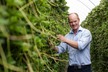
From this experience, he adopted practices including controlled fertilizer use, drip irrigation, and labour planning. In 2024, with support from the International Organization for Migration, he invested in mobile greenhouses measuring six by six meters. These structures can be assembled and dismantled to allow crop rotation and off-season production. "If you grow strawberries in the same soil for too long, yields drop," he explains. "You need to move them. With these greenhouses, I can change location and keep the plants healthy. They also protect the crop in winter and help control the temperature, which is very important here."
Rustam estimates that traditional systems yield around 20 tons per hectare. "With this method, they can reach up to 45 tons. That makes a big difference for farmers." He reports that one worker can manage one hectare up to the harvest stage under this system, with additional labour required during harvest and post-harvest operations.
He is currently working with 24 strawberry varieties, mainly European, and producing seedlings in four greenhouses. By March 2026, he expects a harvest of 5.5 tons from 0.32 hectares and plans to produce 180,000 seedlings by April.
His operation collaborates with four low-income families, who host different varieties and participate in production. Future plans include employing four full-time staff with profit-sharing arrangements and up to 20 seasonal workers during peak harvest.
Rustam states, "Strawberries can be a good source of income here. Every time I come back from abroad, I bring new ideas, test them, and share what works. If you work hard, honestly, and responsibly, success will follow."
Source: IOM Storyteller