Potato production is moving toward data-driven management as growers integrate artificial intelligence, robotics, and sensor networks into field operations. In a crop sensitive to bruising, soil structure, and moisture variability, real-time systems are being deployed to reduce mechanical damage, optimize inputs, and support compliance requirements.
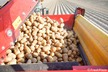
Harvest remains the most vulnerable stage. Tubers transition rapidly from soil to storage, and drops or impacts can result in internal bruising that reduces storage performance and pack-out. AI-enabled harvesters use machine vision and impact sensors to monitor tuber flow across conveyors. When excessive drop heights or impact forces are detected, belt speed, angle, or cushioning systems adjust automatically. GPS-guided row tracking based on historical field data reduces overlap, soil disturbance, and the risk of tuber cutting below ground level.
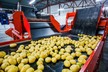
Post-harvest grading is also becoming automated. AI-based sorting systems identify size, shape, and surface defects during harvest, separating out-of-spec product before storage. Early removal reduces downstream losses and limits excess handling.
Throughout the growing season, IoT soil sensors measure moisture, temperature, pH, and nutrient status. Data is transmitted to farm management platforms, informing variable-rate irrigation and fertilization. Moisture sensors allow irrigation to target specific zones rather than entire fields, reducing water use and limiting disease pressure. Nutrient monitoring supports alignment of input application with crop demand, reducing runoff and supporting soil structure.
Compaction sensors mounted on machinery track ground pressure in real time. When thresholds are reached, operators adjust tire inflation or routing. Controlled traffic strategies aim to protect long-term soil productivity.
Data collected across seasons feeds into yield models and planting strategies. Historical moisture maps and production records are used to identify recurring stress zones and refine density and rotation decisions. Storage facilities equipped with climate sensors adjust temperature and humidity automatically to reduce spoilage. Integrated datasets support yield forecasting and harvest scheduling aligned with capacity and logistics.
Regulatory pressure around water use, nutrient runoff, and emissions is influencing technology adoption. Precision irrigation and routing data provide documentation for audits and supply chain reporting. Traceability systems record planting dates, input applications, and storage conditions, supporting quality assurance programs.
Equipment engineering developments complement digital systems. Improvements in casting and structural components reduce vibration and mechanical shock during harvest. Embedded load sensors within conveyor systems monitor stress and flag maintenance needs before breakdowns occur.
As interoperability between machinery, sensor networks, and management platforms improves, growers gain tighter control over variables that previously relied on estimation. In potato production, robotics, sensor integration, and data analytics are becoming part of standard operating frameworks focused on crop handling, soil stewardship, and supply chain reliability.
Source: Potato News Today