Many dynamics are impacting the world of fresh produce and in some ways, they are all interconnected. "It's like a domino effect and when one of the dominos falls, many follow," says Guy Milette with Courchesne Larose from Quebec, Canada.
Supply under pressure © Courchesne LaroseFirst of all, the U.S. dollar has weakened towards the Canadian dollar and although it is now relatively expensive for the U.S. to import from Canada, Canadian exports have witnessed a boost in the past month. This is driven by unfavorable weather conditions in major U.S. growing areas, resulting in very limited supply of certain items. Rain on the U.S. West Coast and unusually cold weather in Florida are having a big impact on supply. At the same time, Mexico – a key supplier to the U.S. & Canada – has witnessed its own weather issues and lots of rain as well. "As a result, harvest and planting of many commodities has been under serious pressure for the past two to three months," said Milette. The combination of limited supply and delay in planting can create a stationary short supply and higher market prices for several more months.
Further south, in Central America and the northern part of South America, weather conditions are also having a negative impact, with supply of pineapples and bananas being under pressure. The markets for many products are much higher than normal currently and will stay high for weeks or months to come because the growing patterns have been disrupted.
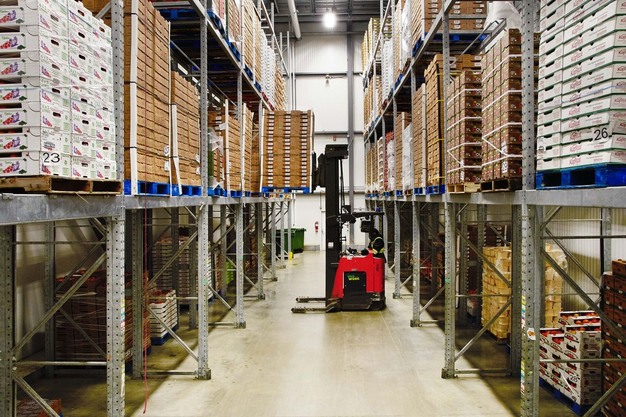
During certain times of the year, Canada is able to take advantage of this situation. "We grow a lot of winter vegetable crops that are grown in summer and harvested in the fall," said Milette. These products are kept in storage for the winter, and some products will carry until next season while other products switch over to U.S. or Mexican supply later in the winter or in spring. "Currently, for many products, the markets in the U.S. are so high that it is attractive to buy Canadian product." From Quebec, carrots, onions, and potatoes are the top three products exported mainly to the Eastern coast of U.S. at the moment. Until the end of December, early January, exports from Canada to the U.S. were slow, but have received a boost since then.
 © Courchesne Larose
Prices increased in Canadian market
Due to the Canadian dollar being so strong and demand for exports being high, domestic prices of carrots, onions, and potatoes have gone up. In the carrot industry, prices went up about $5 to $6 in the past month. This is affecting consumption of Canadian products. In the past year, U.S. importers purchased a lot less from Canada, but because of the price difference, some Canadian items like carrots have become a hot item.
Up until the end of December, early January Canadian consumers had access to many commodities for great prices. "Now, domestically grown products have become expensive and a lot of California-grown product like celery, cauliflower and lettuce has doubled in price," shared Milette.
Boycotts still present, but less strong
While Canadian exports lately received a boost, Canada also is a significant importer of produce from the U.S. However, some Canadian consumers are still hesitant to buy produce from their southern neighbor. Last year, when tensions around tariffs were extremely high, a share of Canadian consumers started boycotting U.S. produce. About six to nine months ago, the boycott was an everyday discussion. "People were talking about it at the office, at the store, on the radio, and in the newspaper," Milette said. Back then, the Canadian consumer could be broken down into three groups:
- About one third of consumers didn't want to have anything to do with U.S. product and wouldn't buy it.
- The second third of consumers would have liked to boycott but couldn't afford it financially as they are on a budget. Milette explained that a boycott comes with a price and is certainly a tradeoff. "Do you buy the California broccoli at $22 or the Spanish broccoli at $32?"
- The last one third are consumers who don't care and will continue to buy U.S. grown product or any other.
 © Courchesne Larose
Give consumers a choice
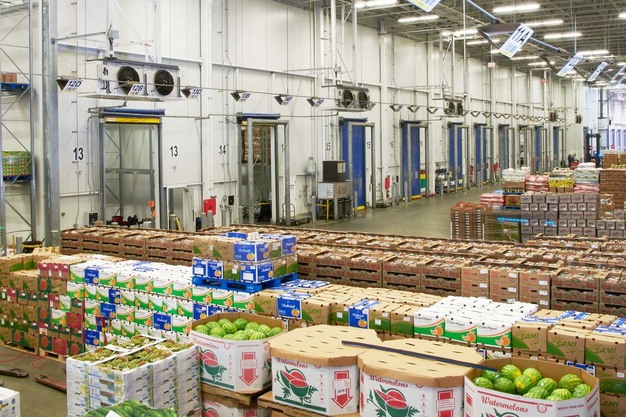
"For us, as an importer, distributor, or wholesaler, it is not our mandate to get involved in the boycott. However, it is our job to give consumers a choice. Today, when referring to fresh produce, there is a lot less talking about the boycott and the topic is not as present compared to six months ago, but it's still out there." To meet the demands of all three types of consumers, Courchesne Larose has continued bringing in produce from the U.S. and leaves it up to the consumer whether they would like to buy it or not. In addition to the U.S., the company has increased the variety and the quantity of products that is brought in from overseas. "We have always imported from many countries around the world, including Mexico, Central America, Spain, Portugal, Greece, Italy, France, the Netherlands, just to name a few. However, in the past year, we have increased the variety as we wanted to give consumers more options." With the markets from the U.S. and Mexico being so high currently, the opportunities to bring in produce from European countries continues.
"In the past, we have seen many windows of opportunities, mostly related to weather events in our own continent. These windows normally last a few days or a few weeks until supplies and markets are back to normal. However, due to extended period of rain and weather events in US and Mexico, that window has increased and we're experiencing an extended import time frame of non-U.S. product."
 For more information:
Guy Milette
Courchesne Larose
Tel: (+1) 514-525-6381
[email protected]
www.courchesnelarose.com