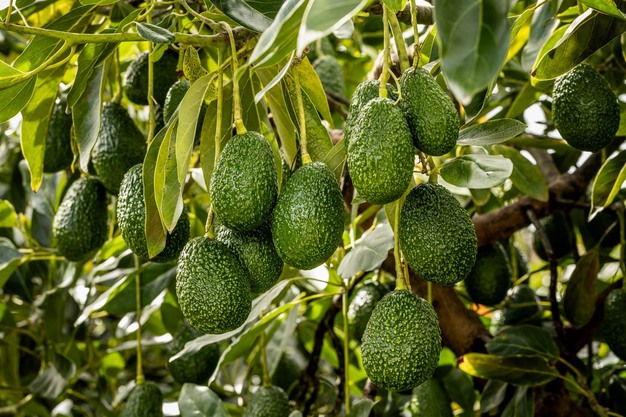
Peru's avocado industry continues to consolidate itself as one of the country's main export pillars. For the agro-export company Fruglobe, most of its activity is focused on this product. "Our focus is avocados; approximately 90% of our share comes from avocados," explains CEO Jean-Claude Mercier Ganoza. He adds that sector growth must go hand in hand with professionalization, stronger processes, and solid planning throughout the production chain.
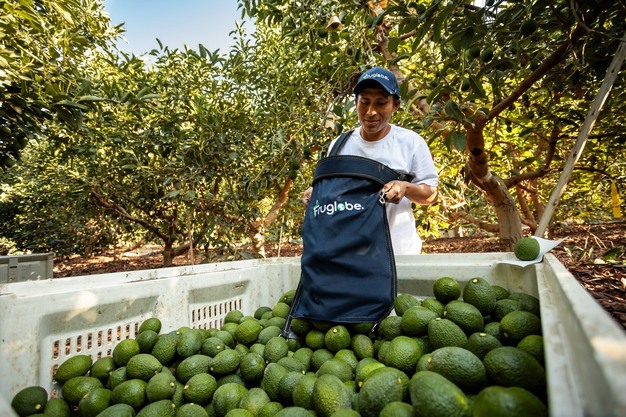
Fruglobe operates from Lima, although its structure extends across much of the Peruvian territory. "We are present throughout the country," says Mercier, who highlights coordinated work with more than 500 growers, both on the coast and in the Andean highlands. The company's portfolio also includes mango, such as air-shipped ready-to-eat fruit, and blueberries, allowing for year-round commercial activity.
 © Fruglobe
Market diversification
In commercial terms, Europe accounts for 40% of Fruglobe's exports and the United States 26%, while the remainder is distributed across niche markets. One of the company's distinguishing features is avoiding dependence on a single destination. "We try to diversify our markets so that each type of fruit—large, medium, or small—can be placed in the right channel," says Mercier. The strategic objective for the coming years is clear: "Rather than aggressively expanding volume, we want to consolidate our operation and strengthen internal processes."
Avocados as a development driver in the highlands
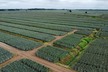
One of the main drivers of sector growth has been the development of avocado production in Andean regions such as Apurímac, Ayacucho, and Cusco. For Fruglobe, around 35% of its volume now comes from the highlands. "Avocado production in the Andes is not a trend; it is already a very important area with socioeconomic impact," he notes. At the national level, these regions represent between 15% and 18% of total production.
For Mercier, the social impact represents one of the main opportunities of the sector:
"Avocados are the most inclusive crop in Peru. There are no barriers to entry, such as patents or licenses, and they can be grown in different regions with varying soil and climate conditions. This has allowed thousands of small and medium-sized growers to integrate into the value chain."
 © Fruglobe
According to the executive, this development is reflected in concrete improvements in housing, education, and living standards in rural communities that previously relied on less profitable crops.
The highlands also offer a particularly attractive commercial window. "We normally begin at the end of January and continue until the end of April," he explains. This early entry into the market is strategic, particularly in Europe and Asia, where seasonal peaks in supply have not yet been reached. However, challenges also exist: "In the Andes, there is greater risk of frost and heavy rainfall, as well as longer logistical distances to packing facilities on the coast," he says. This makes continuous technical support and timely decision-making in the field essential.
The grower as a strategic partner
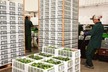
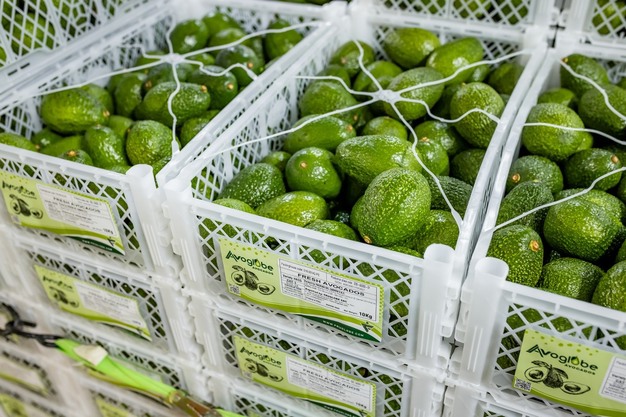
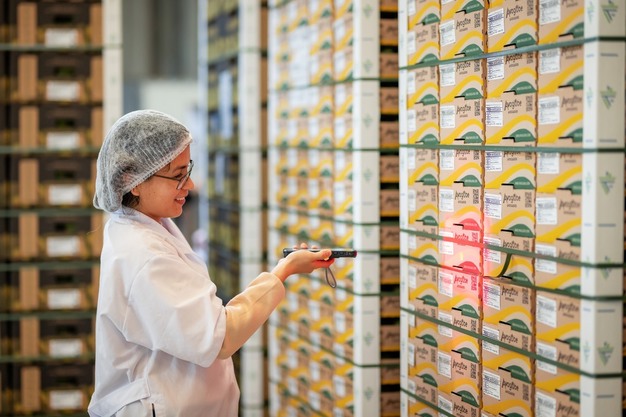
Fruglobe has built its strategy on long-term relationships with growers. "Our approach is to build relationships that last for many years, not just one season," stresses Mercier. The company provides ongoing technical assistance, fruit analysis, support with certifications, annual financing, and operational guidance, with the aim of helping growers manage their farms with a business-oriented approach. This is complemented by a barcode-based traceability system that allows each pallet to be tracked from the field through to shipment, improving quality control and transparency throughout the chain.
 © Fruglobe
Professionalization at the farm level is also fundamental to sustaining growth. Mercier emphasizes that "it is essential for growers to know their cost per kilo and invest appropriately in agronomic management. Without investment and control, yields fall, and profitability becomes unsustainable."
Outlook and operational consolidation
For the new season, Fruglobe expects to export around 800 containers of avocados, a similar figure to last year. "Rather than pursuing aggressive volume growth, the focus is on strengthening planning, quality, and logistical optimization," he says. The company has recorded growth of around 40% over the past two campaigns, making an operational consolidation phase necessary to support future expansion.
Regarding the performance of the international market, Mercier believes the most recent Peruvian season developed largely as expected, although price declines were seen during periods of high concentration of volume in Europe. Even so, he highlights the country's global position: "Peru is the most global avocado origin in the world. We are present in all key markets for around 30 weeks."
Industry projections suggest that Peru could approach 800,000 tons of exports in 2026 and exceed one million tons by 2030.
 © Fruglobe
Logistics and traceability for distant markets
To compete in long-distance destinations, coordination between farms, packing facilities, and logistics is essential. "The harvest-to-pack time must be short; transport must be efficient; cooling must be correctly managed; and traceability must remain clear from the field block through to the container," Mercier summarizes. That operational precision is key to ensuring fruit condition and meeting strategic supermarket programs.
In addition to avocados, Fruglobe remains active in mango exports, especially in premium air-freight segments. However, the current campaign has been challenging. "Initial projections for the mango season turned out to be unrealistic, which generated frictions between growers and exporters and complicated the commercial balance between origin and destination markets. Programs were built on preliminary estimates that later had to be corrected, making the adjustment to real market pricing more complex," he notes.
In blueberries, however, the company has closed a moderate season with stable markets, indicating that the category continues to absorb additional supply in an orderly manner.
Looking ahead, Mercier summarizes the broader relevance of the crop: "Avocados are currently the fruit with the greatest socioeconomic impact in Peru. They have improved the livelihoods of thousands of small and medium-sized growers. We do not see a similar level of reach or social contribution in other crops, either geographically or in terms of impact."
For more information:
Jean-Claude Mercier Ganoza
Fruglobe
Tel.:+51 935 490 854
[email protected]
www.fruglobe.com