A range of new edible crops, including hazelnuts, table grapes, blackcurrants, and honeyberries, are moving closer to commercial and home production in Wisconsin, according to updates shared by Jason Fischbach, Emerging Crops Outreach Specialist and Professor with the University of Wisconsin–Madison Extension.
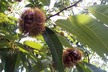
Fischbach has focused on developing a commercially viable hazelnut sector since 2007, working through the Upper Midwest Hazelnut Development Initiative. Hazelnuts are native to Wisconsin, although local wild types typically produce small nuts with thick shells. Current breeding work combines Midwest genetics with European hazelnut material from Oregon.
"The plant in Oregon, the European hazelnuts, is much larger in a thinner shell," Fischbach said. "If you cross the two, you get the disease resistance and winter hardiness of our plants here in the Midwest and the larger nut size from the European hazelnuts."
The breeding process has taken time. "It takes a long time to develop new cultivars," Fischbach said. "That's why we've been at it for 20 years. But we finally feel like we've crossed the bridge."
Hazelnut production also requires planning at the grower level. "Hazelnuts don't self-pollinate, so you need two compatible plants," Fischbach said. Initial harvests typically begin in the third year after planting, with more stable yields after five years.
In parallel, new table grape genetics are being introduced for cold-climate production. Fischbach highlighted three seedless table grape varieties released under the Northern Glo name by the University of Minnesota. These varieties are bred to overwinter reliably under Midwest conditions while meeting table grape quality expectations.
"I haven't been this excited about a new fruit crop in probably my whole career," Fischbach said.
Beyond tree nuts and grapes, Fischbach pointed to ongoing efforts to expand blackcurrant production, led in Wisconsin by the Savanna Institute, and breeding advances in honeyberries from the University of Saskatchewan. New honeyberry cultivars include Boreal Beast, Boreal Beauty, and Boreal Blizzard, which are being evaluated for cold hardiness and market use.
Fischbach noted growing interest in alternative crops among both growers and consumers. "I think consumers are hungry for something different," Fischbach said. "They're looking to diversify their palette. And I think growers are definitely looking for some other options, just to try to make some more money on the farm."
Source: Wisconsin Radio