The dragon fruit market has been sluggish overall this year. However, with the arrival of dragon fruit grown under artificial lighting, prices have recently shown a temporary rebound.
 © Shengyilong
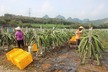
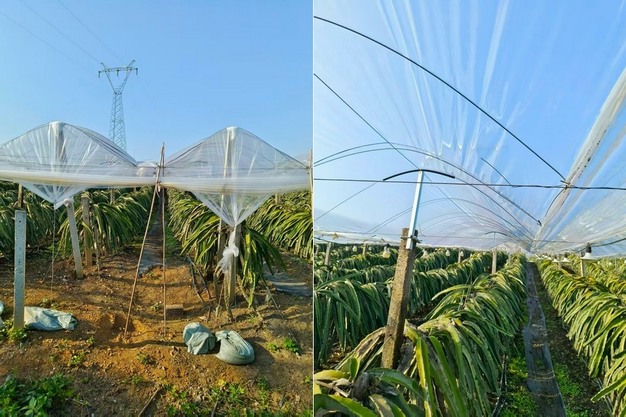
Longyisheng Dragon Fruit Base in Nanning, Guangxi, operates approximately 53 hectares of planting area, with an annual output of about 3,000 tons of red-fleshed dragon fruit. According to Mr. Dong, the company's manager, "In the main production areas, artificial lighting cultivation usually begins around September 20, and the harvest period can continue until March of the following year. However, due to low temperatures, some orchards have experienced leaf burn, with yellowing leaves and partially inhibited growth."
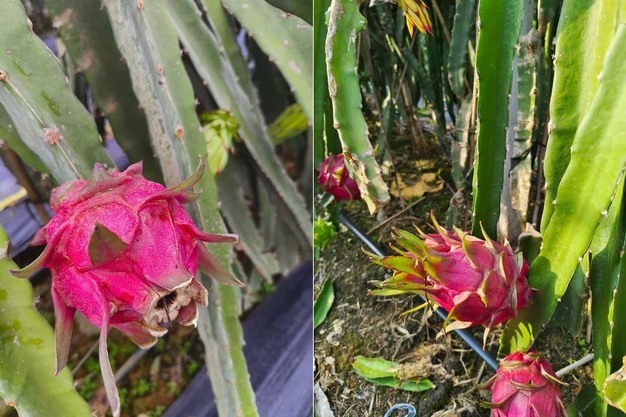
In terms of pricing, the dragon fruit market has remained weak this season, particularly before October, when prices fell to historic lows. The farm-gate price of naturally grown dragon fruit once dropped to as low as ¥1.5 per kilogram (approximately US$0.21 per kilogram), the lowest level seen in recent years, leaving most growers operating at a loss. By contrast, the current batch of dragon fruit grown under artificial lighting has seen a notable price rebound, with farm-gate prices reaching approximately ¥7–8 per kilogram (around US$0.98–1.12 per kilogram), a significant improvement compared to earlier in the season. Mr. Dong explained that the price recovery is mainly driven by several factors. First, the supply of other fruits is relatively limited during the winter season. Second, heavier rainfall during the dragon fruit growing period reduced overall yields, providing some price support.
 © Shengyilong
Regarding imports, although there were earlier reports suggesting a decline in Vietnamese dragon fruit imports, actual market conditions indicate that supplies from Vietnam have not decreased significantly and continue to exert competitive pressure on the domestic market.
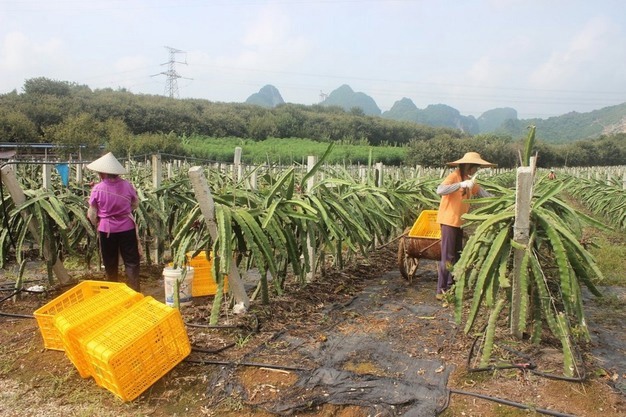
According to Mr. Dong, red-fleshed dragon fruit from Nanning's main production areas can reach a sweetness level of 14%–16%, with an attractive appearance and a delicate flavor. Some large, well-capitalized dragon fruit companies, affected by last season's extremely low prices for naturally grown fruit, chose to remove flowers during the natural flowering stage. This practice allows nutrients to be concentrated for later production under artificial lighting, thereby increasing the yield of light-grown fruit. Within the industry, this approach is considered "somewhat of a gamble," as its effectiveness can be significantly reduced if extremely low temperatures occur.
 © Shengyilong
In addition, greenhouse cultivation is emerging as a new trend. Some well-funded companies in Nanning began constructing greenhouses at the end of September last year, using protected cultivation to delay market entry and extend the dragon fruit sales season through April. It is reported that greenhouse-grown dragon fruit reached peak prices of up to ¥15 (US$0.10) per kilogram last year. This year, many growers and enterprises are following suit, leading to a rapid increase in greenhouse dragon fruit projects around Nanning. However, such investments are substantial and are largely undertaken by large-scale enterprises with hundreds of hectares under cultivation.