Being dynamic is vital to Tovano, a Dutch dried-fruit-and-nut wholesaler. "It's a complex business: you must constantly coordinate origins, quality, and regulations. You have to be a true expert to know exactly where you get what from and for whom. But, that's what makes it interesting," says commercial manager Richard Strijbis.
 © Tovano
Every year, thousands of tons of walnuts, figs, dates, and other delicacies pass through Tovano's warehouses. Once mainly popular around Christmas, people now eat these products year-round thanks to trends like healthy eating, mindful consumption, and more active lifestyles. That requires non-stop coordination between availability, food safety, and flavor.
Walnuts: Sourced worldwide
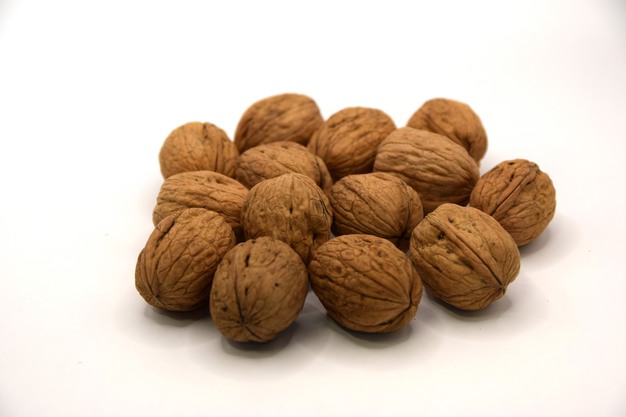
The company's core product and fastest grower is walnuts. "We deliberately source these worldwide, because no two countries supply the same product." California mainly supplies Diamond walnuts, known for their hard shells, and sold in-shell. Chilean walnuts, on the other hand, have a thin shell and plenty of flesh, ideal for shelled sales.
Niche products such as French walnuts and shelled walnuts from Moldova and Georgia also reach specific customers. China is the largest producer, but due to varying quality and the risk of MRLs and aflatoxins, most of that country's walnuts are sent to the processing industry.
 © Tovano
Hazelnuts, dried apricots, and figs: Risky with fluctuating prices
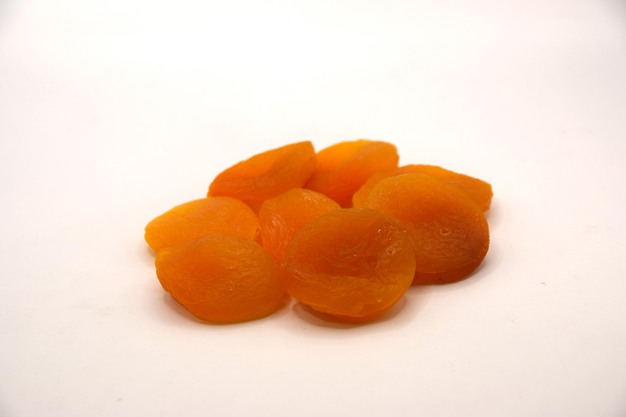
Turkey dominates the hazelnut market, though last year's spring frost significantly spiked prices. Large buyers like Ferrero, however, keep sales stable. That frost also limited dried apricots from Turkey to 5–10% of the normal harvest, doubling consumer prices. Uzbekistan and Tajikistan partially filled that gap, although their flavors and volumes vary, and food safety remains critical. Dried figs remain risky due to aflatoxins and ochratoxins, especially from Turkey, but strict local controls have kept demand stable.
 © Tovano
Dates, dried fruit, and organic: Growing trends
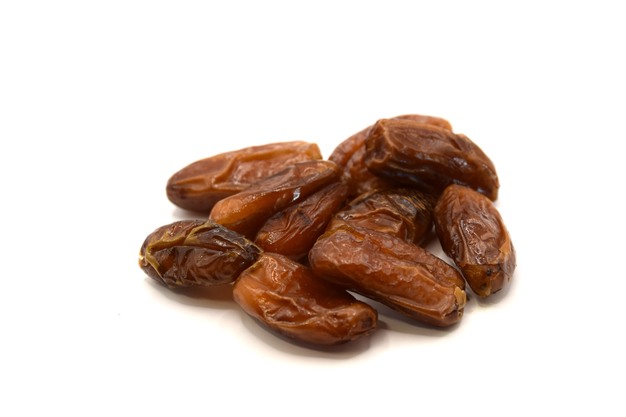
Israeli Medjoul dates are top quality, while Deglet Nour dates from Tunisia are rapidly gaining ground due to their health benefits, price, and popularity. Tovano is developing date-paste-based snacks, mixed with coconut or nuts, aimed at young people and athletes. Dried fruit from South Africa is rapidly gaining popularity, too, especially pure varieties like mango, peach, and banana. Organic fruit and nuts' expansion is controlled, with dates being the most successful.
 © Tovano
Despite challenges like climate change, failed crops, regulations, and MRLs, Tovano remains optimistic. "The demand for healthy, natural products is growing structurally. People will pay more for quality, and that offers opportunities for our sector," Richard concludes." (PB/PDC)
For more information:
Tovano
Transportweg 47
4676 LM Maasdijk
Tel.: (0174) 52 83 33
[email protected]
www.tovano.nl