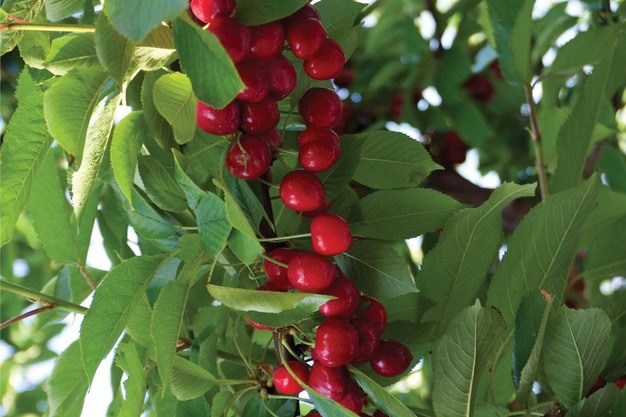
"The Chilean cherry season began 7 to 10 days earlier than usual, depending on the region and variety, with volumes significantly lower than the record 125 million boxes exported last year. This season, the focus was on avoiding forcing fruit that didn't meet quality standards, especially for long-distance sea transportation," said Haydelin Hoffmann, Greenex's commercial manager.
 © Greenex
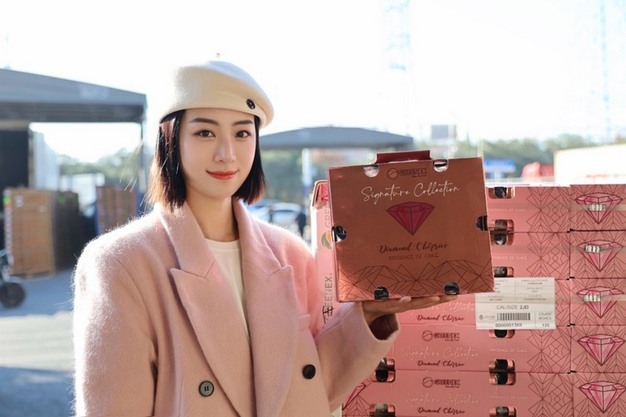
The start of the season, in particular, was very active. "Normally, shipments peak in weeks 49 to 51. This year, volumes during these weeks were much lower. In China, our main sales market, we only saw one or two weeks with a significant number of containers. This contrasts sharply with the more than 6,000 containers per week sent there last year. From week 50 onward, the number of shipments started to decline gradually," he said.
 © Greenex
Santina, Lapins, and Regina remain the most important varieties in the Chilean supply. However, Santina production was about 10% lower than last year and 22% below initial estimates—this eased market pressure during peak weeks," Hoffman stated.
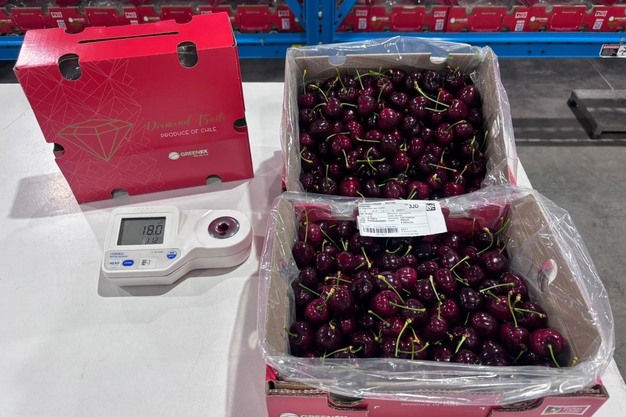
In destination markets, demand remains strong but with more informed, price-conscious consumers. "Being the first to arrive is no longer enough; arriving at the right time with the right variety is crucial," Hoffmann noted. Early on, demand led to significant price fluctuations, especially for air shipments, while sea shipment prices have remained more stable due to lower volume concentration.
 © Greenex
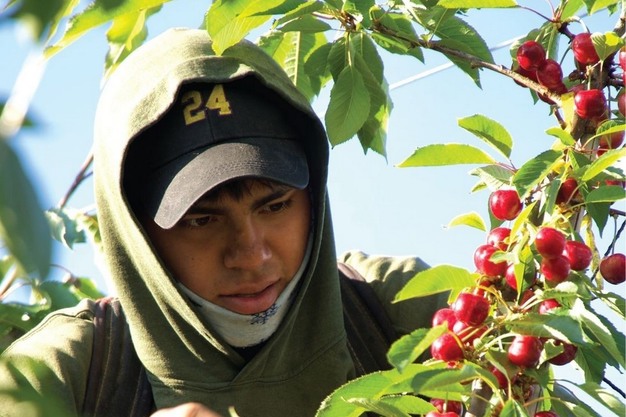
"Ocean freight rates were more reasonable than last year, boosting competitiveness. However, air freight was temporarily more expensive due to the early start and high demand within a short period. Chile's distance from main markets also presents a structural challenge," he says.
 © Greenex
In addition to cherries, Greenex is making progress with its stone-fruit program, especially nectarines, which also started early and will continue through January and possibly into February. "The lower availability of cherries in the weeks before the Chinese New Year creates opportunities for these fruits, especially in Asia," he stated.
 For more information:
Haydelin Hoffmann
Greenex
Chile
Tel: +56 9 7559 5048
Email: [email protected]
www.greenex.cl