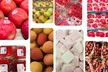
"Moldovan apricots, cherries, and peaches — emblematic of the warm season — are increasingly present on the tables of German consumers. And throughout the year, dried fruits and nuts from the Republic of Moldova remain just as sought after, coming from producers certified to the highest international standards.
It isn't surprising at all: with 75% of its area dedicated to agricultural land and a balanced climate, ideal for growing vegetables and fruits, the Republic of Moldova has gradually gained the trust of consumers and consolidated itself as a reliable trading partner for German retailers.
 © ASSOCIATES COMMUNICATION GROUP SRL
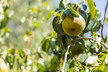
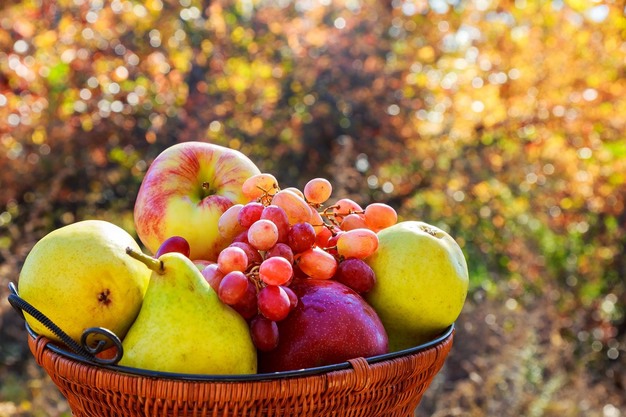
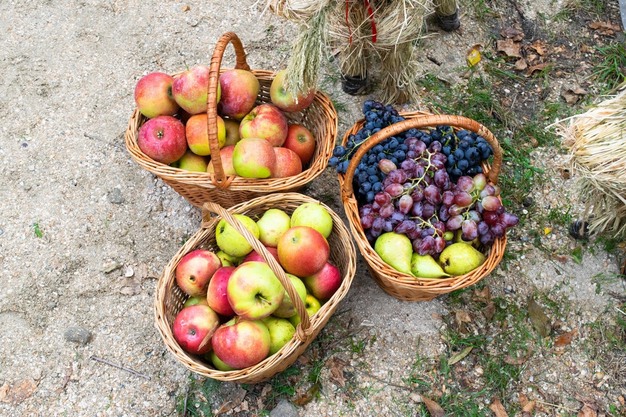
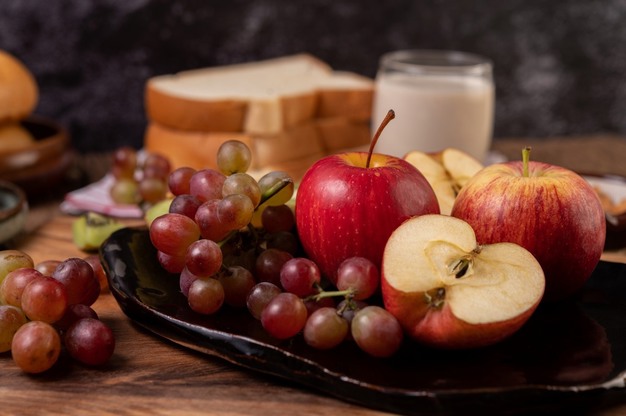
Moldovan table grapes have come a long way. Investments in recent years in modern varieties, vine care techniques, and packaging lines well synchronized with European standards have changed the game.
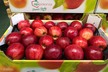
Apples complete this picture with the same consistency that characterizes their production. Supported by controlled atmosphere warehouses, renewed orchards, and calibration technologies that guarantee uniformity, Moldovan apples manage to be present on the market for months without losing quality. For retailers, this predictability is an argument that is hard to ignore.
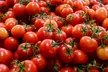
Greenhouse vegetable production, such as tomatoes, cucumbers, and peppers, is evolving at a similar pace, supported by a longer growing season and the gradual modernization of infrastructure. Investments in greenhouse technologies and the selection of varieties adapted to export requirements have contributed to an increasingly visible presence of these products in programs dedicated to EU markets.
"Germany is a priority market, where we see long-term potential for this category. Moldovan producers have constantly invested in quality, certification, and logistics, managing to ensure competitive products, delivered to high standards," says Natalia Bejan, manager of the Investment Agency.
 © ASSOCIATES COMMUNICATION GROUP SRL
The success of the Republic of Moldova is rooted in the combination of a substantial agricultural potential and a consistent upgrading strategy, supported by investments in production capacities. For Germany, this development translates into three clear advantages, which, together, outline a distinct profile of the Moldovan offer.
The first advantage is European quality at a competitive cost. Modern orchards, managed with current technologies and supported by a workforce that is still flexible in terms of costs, allow Moldova to deliver high-standard products while maintaining attractive prices. It is a rare balance in an increasingly cost-pressured agricultural Europe.
The second advantage is the rapid alignment with European rigor. Certifications, traceability, and strict control processes are the norm for Moldovan producers, not a bonus. And German buyers value this discipline, which reduces risks and strengthens trust in the supply chain.
And the decisive role is played by modern infrastructure. Controlled-atmosphere warehouses, well-connected refrigerated chains, and collaboration within clusters allow for constant deliveries throughout the season. In a sector where any interruption generates losses, continuity becomes an essential argument.
 © ASSOCIATES COMMUNICATION GROUP SRL
Overall, the Republic of Moldova matters to German buyers not only for what it produces, but also for how it produces: efficiently, predictably, and aligned with the demands of a market that does not accept compromises. Moldovan exporters operate in accordance with internationally recognized quality and food safety standards — such as GLOBAL G.A.P., SMETA, GRASP/IFS — and the modern logistics infrastructure allows for the delivery of products to Germany in approximately 2–3 days of road transport, ensuring continuity of supply and maintaining quality.
In September 2025, Moldova's exports reached 345.4 million USD, up 3.8% compared to August 2025 and 23.1% compared to September 2024, according to data from the National Bureau of Statistics. In the period January–September 2025, total exports amounted to 2.626 billion USD, 0.3% higher than in the same period of the previous year. The fruit and vegetable segment represents 10.4% of total exports, maintaining its third place in the structure of Moldovan exports, according to NBS data.
Exports to Germany amounted to 94 million USD, which represents 3.6% of total Moldovan exports. This result highlights both the potential of the sector and the need to consolidate its presence on European Union markets. At the same time, Moldova recorded significant increases in exports to several countries in the EU and outside it, such as Turkey (+57.4%), Czech Republic (+53.1%), Netherlands (+44.8%), Switzerland (+58.2%), Italy (+33.2%), Bulgaria (+39.6%), demonstrating the competitiveness of Moldovan agri-food products on markets with strict standards."
For more information: © ASSOCIATES COMMUNICATION GROUP SRLInvest Moldova
Tel: +373 22 27 36 54
[email protected]
www.invest.gov.md