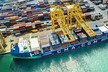
Ethiopia's effort to shift fresh produce exports from air to sea freight is facing operational constraints, with exporters reporting that documentation charges and procedures for importing empty refrigerated containers are limiting wider adoption of sea transport.
Industry representatives say trials have shown that products such as fine beans and avocados can reach European markets in suitable condition by sea in reefer containers. However, documentation costs of up to 9,000 birr per shipment (about US$160) are reported to be a barrier, particularly on rail corridors, where margins are already tight. Exporters argue that these costs reduce the expected savings of sea freight compared with air cargo.
The move toward sea freight is being driven by European retailers' climate policies. Several supermarket groups have committed to reducing or eliminating air-freighted fresh produce, prompting Ethiopian exporters to offer lower-emission logistics options to maintain market access.
According to sector participants, importing empty refrigerated containers from Djibouti for inland loading involves procedures similar to those for full import consignments. Exporters are reportedly required to be listed as consignees and to provide customs guarantees based on a notional container value of about €33,000 (around US$36,000). Industry sources say this approach slows container turnaround and adds risk for perishable cargo.
Soji Thomas Korah, general manager at MSC Ethiopia, says the current structure increases transit times and costs for reefers, raising the likelihood of spoilage. Exporters and logistics providers describe the system as inefficient and say it discourages the repositioning of empty containers needed to scale sea-based horticultural exports.
Stakeholders also point to gaps in cold-chain infrastructure and the lack of a standard operating procedure for reefer exports. While some packhouses can handle basic preparation, exporters say there is no fully equipped inland hub capable of handling large volumes to export specifications. Facilities planned at the Mojo dry port are expected to address part of this gap, but are not expected to be operational for around two years.
Without a recognised SOP for farm-level container loading, exporters report inconsistent inspection and clearance processes. Weekly sailing schedules from Djibouti add pressure, as missing a vessel can push shipments beyond shelf life limits.
These issues were discussed at a recent meeting organised by Resilience Consultancy PLC, involving private operators, government bodies, financiers, and development partners. Participants noted progress in technical capacity, including training and certification of local reefer technicians, but said regulatory processes have not kept pace.
Industry representatives are calling for simplified procedures for empty reefer containers, a transparent national SOP for sea-freight horticulture, and faster approval of local technical services to support a larger shift from air to sea transport.
Source: Capital