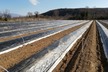
Chilli prices in Vietnam's Thanh Hoa province have increased sharply during the winter season, with farmgate prices at times exceeding 100,000 VND per kilogram (around US$4.00/kg). The price rise has improved returns for growers in several communes, while also leading farmers to increase field monitoring to reduce the risk of theft.
Yen Dinh commune is one of the main chilli production areas in Thanh Hoa. Local growers report that both yields and prices are higher than in previous seasons. According to farmer Nguyen Van Le from Phuc Thon village, traders offered 105,000–110,000 VND/kg (around US$4.20–4.40/kg) for ripe chillies early in the season, compared with around 20,000 VND/kg (US$0.80/kg) last year. Green chillies were purchased at 50,000–60,000 VND/kg (US$2.00–2.40/kg).
"My wife and I planted these chili peppers just to fill the empty space, without expecting much. Unexpectedly, this year the crop is abundant, and the price has gone up. My wife and I are overjoyed, like we've struck gold," Mr. Le said. His family cultivates around 3 sao, approximately 0.3 hectares, and expects to harvest several tonnes over the season. He added that family members take turns guarding the field overnight. "After dinner, my neighbors and I take turns standing watch from 8 PM to 6 AM the next morning, just hoping to keep the chili field safe," he said.
Other growers report similar conditions. Nghiem Thi Bac farms more than 2 acres, around 0.8 hectares, of chillies and has already earned tens of millions of VND. She estimates that full-season revenue could reach several hundred million VND if prices remain stable.
Yen Phu and Dinh Tan communes have also reported steady harvesting. According to local officials in Yen Phu, the commune has more than 100 hectares of winter chilli production, with daily harvest volumes reaching tens of tonnes. Around 10 traders regularly purchase chillies directly from fields.
Provincial data show Thanh Hoa plants between 1,500 and 2,000 hectares of winter chillies annually. The provincial Department of Crop Production and Plant Protection said production is supported by contracts between cooperatives, traders, and businesses, which include technical guidance, planting area planning, and sales commitments aimed at reducing market volatility.
Source: Viet Boa