Africa's rapidly rising food import bill—now estimated at $70 billion annually and projected to reach $111 billion by 2025—underscores the urgent need for investment in agricultural biotechnology and climate-smart food systems, according to experts. Speaking to The New Times on the sidelines of the 2025 OFAB Africa Media Awards in Nairobi, Canisius Kanangire, Executive Director of the African Agricultural Technology Foundation (AATF), said Africa is making gradual but significant progress in adopting biotech crops despite regulatory and capacity challenges.
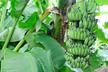
Kanangire noted that several African countries are advancing with genetically modified crops, with South Africa leading in GM maize and soybean, while Nigeria and Ghana have commercialized drought-tolerant maize and BT cowpea. Rwanda, he added, has moved quickly since adopting its biosafety law, approving trials for improved maize, cassava, and potato and positioning itself to introduce GM bananas in the coming years.
He emphasized that biotechnology is essential for Africa, where most farming remains traditional despite growing threats from drought, pests, and climate change. AATF works with governments, researchers, and seed producers to adapt global innovations to local crops and ensure farmers receive high-quality seeds, training, and support.
Kanangire stressed that public awareness and strong partnerships—including with journalists—will be key to building trust, improving adoption, and enabling Africa to modernize its food systems.
Source: www.newtimes.co.rw