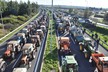
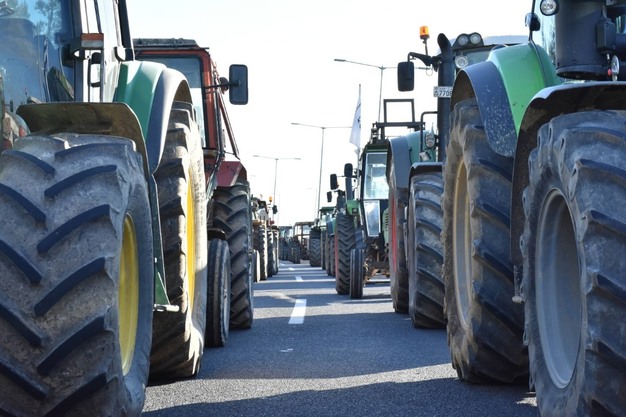
On Sunday, November 30th, Greek farmers began putting into action the decision of their recent national assembly for coordinated, strong tractor blockades across Greece and at critical points of the country's economic life. In their first move, they formed immense tractor blockades at two key highway nodes in the agricultural regions of Larissa and Karditsa (region of Thessaly), with tractors stretching for kilometers in all the lanes of the respective nodes.
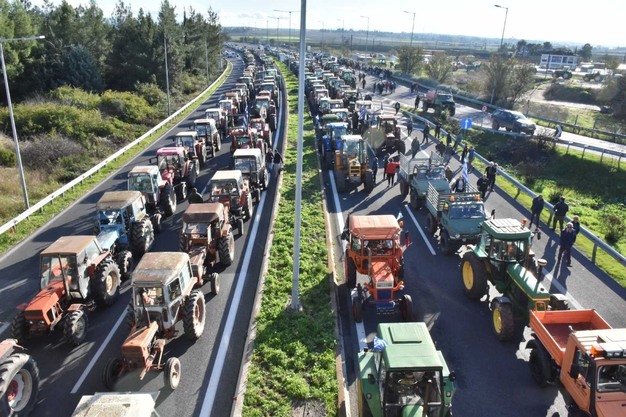 © Fotis Karabetsos | FreshPlaza.comThe tractor blockade in the region of Larissa.
 © Fotis Karabetsos | FreshPlaza.com
The tractor blockade in the region of Larissa.
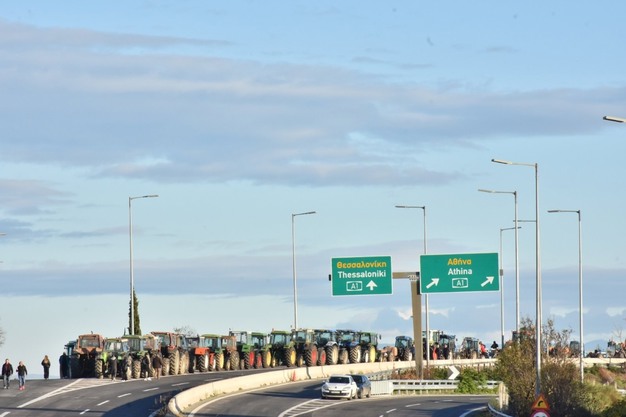 © Fotis Karabetsos | FreshPlaza.comThe tractor blockade in the region of Larissa.
The tractor blockades in both places were formed after great perseverance on the part of the farmers, who overcame police barriers at the highway entrances and strong violence against them, including tear gas and arrests. The farmers remain in their positions, having set up camps across the blocked nodes, while the duration of the blockades is indefinite, as these were only the first actions of the new escalated phase of the farmers' struggle across Greece, which is to be followed by the creation of new blockades and similar acts in other places across Greece until December 5th.
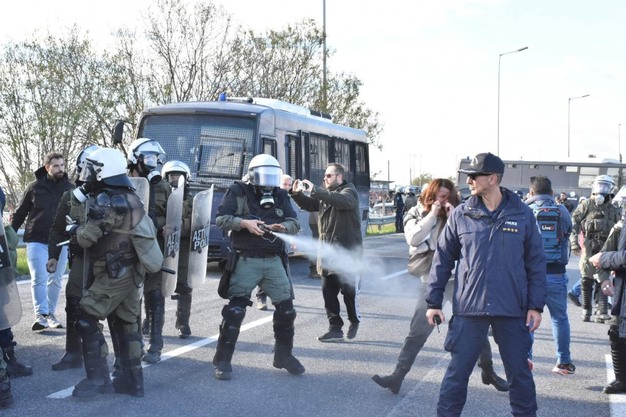 © Fotis Karabetsos | FreshPlaza.com Snapshots of the police violence against the protesting farmers in Larissa on November 30th.
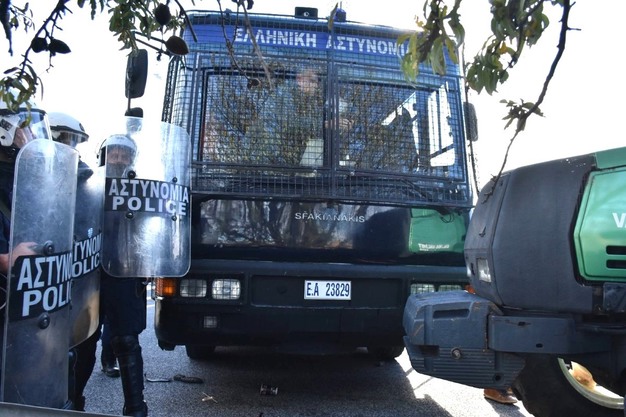 © Fotis Karabetsos | FreshPlaza.comSnapshots of the police violence against the protesting farmers in Larissa on November 30th.
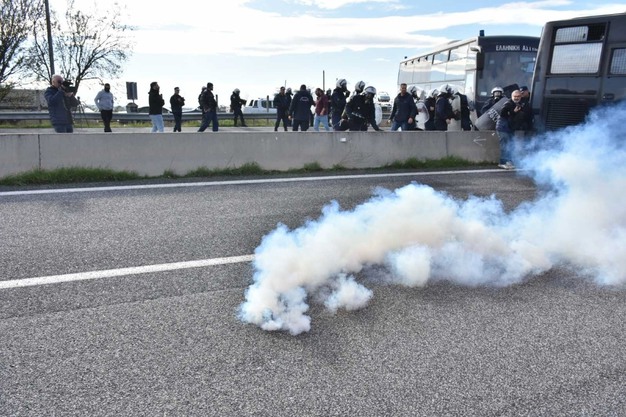 © Fotis Karabetsos | FreshPlaza.comSnapshots of the police violence against the protesting farmers in Larissa on November 30th.
Greek farmers plan to fight this way for as long as possible, as a means of exerting pressure on the government to satisfy their longstanding demands: lowering production costs, including tax-free fuel and an electricity price ceiling; changing compensation rules in order to cover 100% of crop damage from weather phenomena; decent, minimum guaranteed prices for their products; investment in agricultural infrastructure; no reduction in CAP subsidies to redirect money to the war economy or because of the OPEKEPE scandal involving illegal subsidies to fake farmers; and for the Greek government to immediately pay them the subsidies owed since 2024, accumulating about 1 billion euros.
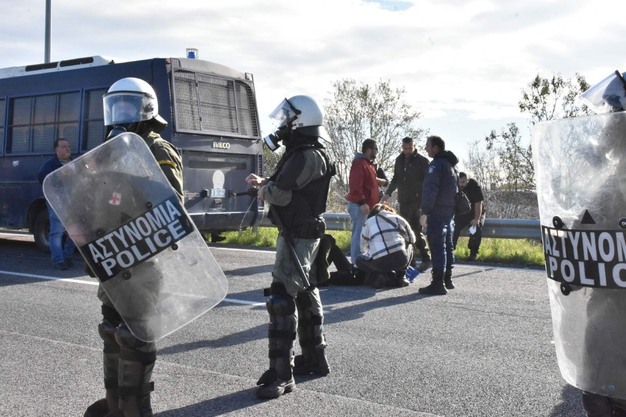 © Fotis Karabetsos | FreshPlaza.comSnapshots of the police violence against the protesting farmers in Larissa on November 30th.
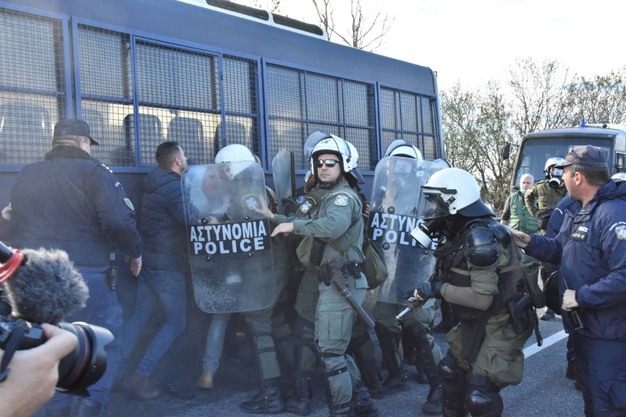 © Fotis Karabetsos | FreshPlaza.comSnapshots of the police violence against the protesting farmers in Larissa on November 30th.
It is worth noting that there has been no significant effect on goods traffic caused by these two blockades so far, as there are alternative routes that trucks can follow to deliver merchandise. However, this may not be the case in the coming days, as Greek farmers, facing a historic economic dead end, are not only preparing to set more tractor blockades on other highways, but have also repeatedly announced upcoming blockades at other critical points of the country's economic life, such as customs, ports, and airports.