The Secretary of Agriculture, Dr Mohammad Emdadullah Mian, reported that Bangladesh saved Tk 4,000 crore (US$34.47 million) in the past year by reducing corruption and waste in agricultural development projects. He spoke at a seminar titled Agricultural Transformation: Locally Adapted Farm Machinery and Agricultural Export Challenges, held at the CIRDAP Auditorium in Dhaka and organised by the Bangladesh Agricultural Journalists Forum.
Dr Mian stated that Tk 2,500 crore (US$21.54 million) was returned to the treasury after measures to curb corruption. This year, Tk 1,000 crore (US$8.61 million) has been saved in fertiliser costs. He also noted that Tk 600 crore (US$5.17 million) allocated for a mechanisation project was returned, with the project completed using Tk 20 crore (US$0.17 million).
He said Bangladesh plans to become self-sufficient in onion and ginger production within the next three years, removing the need for imports. He highlighted that the government is preparing a 25-year plan for agricultural development, expected to be finalised by December. Dr Mian emphasised fair pricing for farmers and questioned why a Tk 100 price for onions draws criticism while similar prices for other vegetables do not.
During the seminar, Dr K M Saiful Islam, Project Director for Mechanized Rice Cultivation at BRRI, discussed progress in local agricultural machinery production supported by cooperation from Sri Lanka and Japan. Dr Durul Huda of BRRI outlined challenges facing this effort, including limitations in the light engineering sector and the absence of a state-owned engine manufacturing institution.
Kamruzzaman Kamal, Director (Marketing) of PRAN-RFL Group, noted that Bangladesh's share in the US$4 trillion global agro-processing market is around US$1 billion. He called for a One-Stop Service to reduce export approval requirements and pointed to the lack of internationally recognised quality-control laboratories as a barrier.
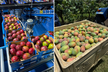
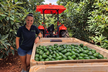
Mohammad Arifur Rahman, Project Director for Exportable Mango Production, said mango exports have tripled in five years, with imports now at zero. He identified high air-freight costs and limited cargo space as ongoing constraints and recommended reserving dedicated space for agricultural produce on flights.
In his closing remarks, BAJF President Shahanowar Sayed Shahin said political commitment is needed to ensure long-term agricultural development. He asked political parties to include agricultural strategies in their election platforms. Other speakers discussed the need to improve the profitability and status of farming. Md Fazlul Kader, Managing Director of PKSF, noted that microfinance institutions currently provide about 85 per cent of agricultural financing in Bangladesh.
Source: Financial Express