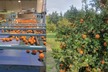
Growers and dealers at the Sopore Fruit Mandi in north Kashmir report losses of Rs 1,000 crore (about US$120 million) so far this year, attributed to extreme weather conditions and delays caused by truck stoppages on the Srinagar–Jammu National Highway during August.
Fayaz Ahmad Malik, President of the Fruit Growers and Dealers Association, Sopore, said that 250 to 300 trucks continue to move out of the mandi each day to outside markets. He stated that the mandi has recorded a turnover between Rs 3,000 and Rs 4,000 crore (US$360 million to US$480 million) this year, and that trading is ongoing. Malik noted the mandi's role in supporting thousands of households that depend on fruit production and trade. He said losses of Rs 1,000 crore have resulted from the natural calamity that occurred in August.
At an emergency meeting on Wednesday, the Kashmir Valley Fruit Growers Cum Dealers Union requested a compensation package for approximately Rs 2,000 crore (about US$240 million) in losses affecting growers, traders, and buyers across the region.
Malik said the Sopore trading hub continues to face infrastructure gaps. Known as the "Apple Town of Asia," the mandi is recognised as Asia's second-largest fresh fruit market and maintains trade links with more than 400 fruit mandis across India, as well as trade relations with Bangladesh, Nepal, and Bhutan.
The market operates for about nine months each year, handling truckloads of apples, pears, and other fruits destined for domestic and export markets. It provides direct and indirect employment to farmers, transporters, packers, commission agents, labourers, traders, and drivers.
Malik called for government support to improve road connectivity, drainage, cold storage, and grading units. He said, "We appeal to the government to prioritize infrastructural development in Sopore Mandi, which has remained neglected despite its massive contribution to the region's economy."
He also urged the introduction of a comprehensive crop insurance policy to protect growers from losses arising from natural calamities, hailstorms, untimely rains, and pest pressure, and requested waivers for Kisan Credit Card loans. Malik advised growers to avoid overuse of pesticides and plant growth regulators and said sustainable practices are needed to maintain product quality. "Overuse of chemicals not only harms the quality of our produce but also affects the soil and ecosystem. We must adopt sustainable farming methods to maintain the reputation of Kashmiri apples in national and international markets," he said.
The Sopore Fruit Mandi continues to function as a key link between growers and major markets, with stakeholders emphasising the need for infrastructure upgrades and production practices aligned with market and environmental requirements.
Source: Greater Kashmir