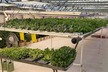
The winter cycle of early vegetable production in the Souss Massa region continues to suffer from the effects of this summer's adverse weather conditions, which have led to a shortage of resistant plants and an overall decline in volumes. According to Amine Amanatoullah, a producer based in Agadir, the European market has not yet felt the impact of the decline in volumes thanks to domestic production, which has remained available exceptionally late this year. However, the grower believes a shortage is likely to occur as early as February.
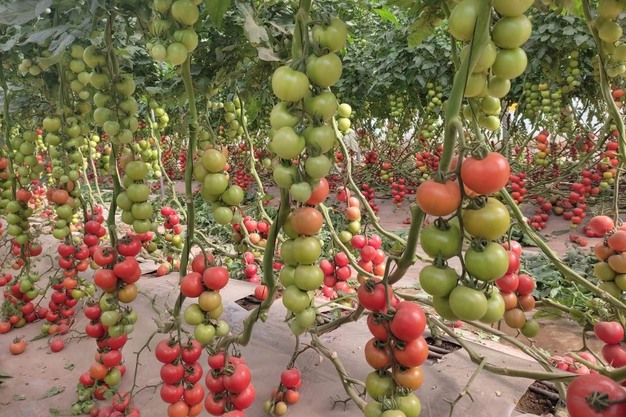 © Fastexpo
Amanatoullah describes the situation on farms: "Each producer is doing their best to cope with the shortage of plants. There is no collective solution. The scarcity of resistant plants this season is exacerbated by the insufficiency of biological control solutions and by recent updates to the lists of plant protection products authorized in Morocco and Europe, which have withdrawn several effective chemicals. The winter cycle will therefore be marked by a decline in volumes, which we are already seeing in the field."
According to the grower, the main products affected are peppers and tomatoes. He adds, "Pepper prices, especially for bell peppers, have reached unprecedented levels. Tomato prices are also high on the local Moroccan market despite the small volumes exported to Europe so far. It is only a matter of time before the shortage of early vegetables reaches the European market and also the local Moroccan market by February, and buyers should expect prices to skyrocket."
The situation has been exacerbated by recent flooding in southern Morocco, in the Dakhla region. Although the damage only concerns the segmentation of tomatoes, its impact could be felt on the local Moroccan market, as these varieties substitute for round tomatoes during periods of shortage, while the country does not import tomatoes or other early vegetables.
It is unlikely that production problems will be resolved by February, warns Amanatoullah. February, which coincides with Ramadan, is reminiscent of Ramadan 2023, when the Moroccan government imposed restrictions on tomato exports. The grower says, "A new restriction in 2026 cannot be ruled out. There will be Ramadan, and just before that, there will be the Africa Cup of Nations football tournament between December and January, which is likely to increase local demand while volumes will be short."
For more information:
Amine Amantoullah
Fastexpo
Tel: +212 661 281321
Email: [email protected]