Two Odessa-based companies, Fakel and Diana-M, among the largest vegetable growers in southern Ukraine, are changing in production strategy as extreme heat and high irrigation costs reshape the region's vegetable sector. The family-owned enterprises farm cultivate 1,200 ha, including 900 ha of open-field vegetables. The main crops in 2025 include 230 ha of onions, 250 ha of potatoes, carrots, beets, cabbage, Chinese cabbage, and vegetables for processing. Total annual vegetable output reaches 45–50,000 tonnes. Fresh produce is supplied to major Ukrainian retail chains, while cucumbers, tomatoes, and peppers are processed into pickled products under the brand "Diana-M".
This year's onion yields reached 90–100 t/ha and are now harvested fully by machines as worker shortages increase. Heat reaching +45°C caused severe stress in tomatoes and other crops. Irrigation water became 2.5× more expensive; the farms introduced sprinkler systems on potatoes and plan further investment.
According to the company, the cost of 1 ha of vegetables equals the cost of 10–15 ha of grain crops, even without irrigation. Chinese and white cabbage remain the most problematic crops due to thrips and bacterial rot. Cauliflower was removed from rotation after several weak seasons.
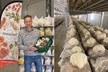
The companies operate 21,000 t of storage, including 7,000 t of refrigeration, and are launching a new 7,000 t Tolsma cooling unit. Plans include expanding refrigerated capacity to 21,000 t. Traditional warehouses allow only short storage, while retail chains require a stable winter supply.
The processing unit produces about 1,500 t/year of pickled cucumbers, tomatoes, and cabbage salads. All recipes and quality control remain in-house. A new MAP/vacuum tray-sealing line was installed in 2024 for retail-ready packs. Storage for fermented products totals 3,500 t. Over the past seven years, both companies have focused on storage expansion and equipment renewal.
Upcoming projects include a washed potato and carrot line (40–50 t/day), 1–5 kg pack formats, an additional 200 ha of vegetable acreage, and further storage development. Ukraine continues to face periodic imports of onions and potatoes due to price swings.
Owner Murat Tskhadaya emphasizes crop diversity: "Focusing on one crop is risky. A broad portfolio stabilizes income across the season." Maintaining assortment, cooling capacity, and long-term retail supply is considered essential for market stability.
Source: latifundist.com