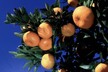
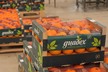
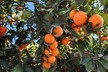
South Africa's citrus industry is evaluating the impact of the United States' new tariff exemptions, which now include oranges. In the previous season, South Africa shipped 4.3 million 15kg cartons of oranges to the U.S., and the revised tariff structure is expected to influence the 2026 export window starting in April. The 30 per cent tariff on South African imports came into effect in August 2025, close to the end of the citrus season, which limited the impact as growers advanced shipments before the deadline.
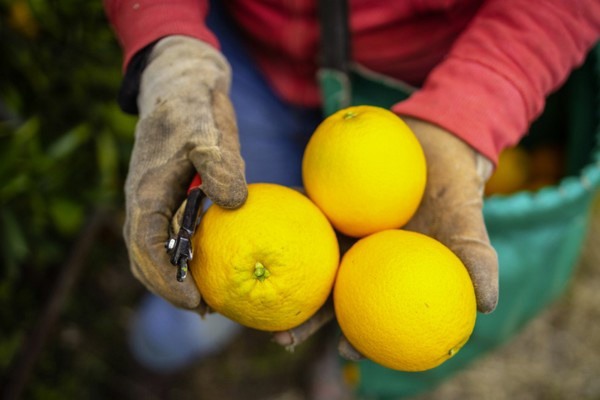
According to the Citrus Growers' Association of Southern Africa, South Africa supplies citrus to the U.S. during the American off-season. The association said the exemption again allows oranges to remain competitive in the U.S. market, which it views as offering opportunities for increased exports. It noted that demand for South African citrus has expanded over time, with exports almost doubling since 2017. The group added that tariffs on mandarins remain in place and suggested that extending exemptions to soft citrus could address similar supply and pricing pressures.
 © CGA
© CGA
The U.S. government has modified its reciprocal tariff system and exempted several fruit products to ease pressure on consumers, including fruit juices, avocados, bananas, coconuts, guavas, limes, oranges, mangoes, plantains, pineapples, peppers, and tomatoes. The association stated that this reflects recognition of the effect that higher food prices have on households. South Africa exports various agricultural goods to the U.S., including citrus, table grapes, and macadamia nuts. The U.S. accounted for about 4 per cent of South Africa's agricultural exports in 2024, valued at US$13.7 billion. In the second quarter of 2025, exporters took advantage of the temporary tariff pause, leading to a 26 per cent year-on-year increase in agricultural exports to the U.S., reaching US$161 million.
Concerns remain for fruit categories not included in the updated tariff list. South Africa is entering the table grape export season, and access remains challenging because the country continues to face a 30 per cent import tariff in the U.S. Without the African Growth and Opportunity Act, duties could rise to around 33 per cent when including previous Most Favoured Nations rates. Competing suppliers such as Chile and Peru face tariffs of about 10 per cent. The United States has also imposed higher duties on the EU and Japan, which now face tariffs of between 15 per cent and 20 per cent.
The citrus industry expects that ongoing trade discussions between South Africa and the United States will shape longer-term access for all citrus categories.
 For more information:
Loftus Marais
CGA
Tel: +27 (0) 72 833 0717
Email: [email protected]
www.cga.co.za
Source 2: Algoa FM
Source 3: Daily Maverick