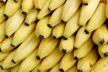
The U.S. administration announced plans to lower import taxes on bananas and other fruits as part of new trade arrangements with Argentina, Guatemala, El Salvador, and Ecuador. The framework keeps a reciprocal tariff of 10 per cent on goods from Guatemala, Argentina, and El Salvador, and a 15 per cent tariff on Ecuadorian imports, but provides exemptions for products not produced in the United States in sufficient volumes.
Senior officials said bananas and cocoa are among the products likely to be excluded from tariffs under the new agreements. Guatemala and Ecuador remain the largest suppliers of bananas to the U.S. market.
The announcements come as President Donald Trump faces questions over economic conditions and affordability. Recent elections prompted the administration to put added emphasis on price concerns. Treasury Secretary Scott Bessent said relief on fruit tariffs is intended to ease cost pressures, while acknowledging that weather-related issues are also affecting global price levels.
Officials noted that price reductions will depend on whether wholesalers and retailers pass any tariff savings on to consumers.
The trade arrangements with the four Latin American countries are expected to be signed within two weeks. They follow Trump's earlier announcement of new tariffs on several countries in April. Many of those tariff actions were delayed after global financial concerns, but new rates were introduced in August for countries the administration described as "worst offenders."
In recent weeks, the U.S. has also reached trade agreements with the European Union, South Korea, Japan, Cambodia, Thailand, and Malaysia.
The administration said easing tariffs on bananas and certain other fruits could assist U.S. importers and retailers, though the scale of impact will depend on seasonal availability, global supply conditions, and the response of buyers within the supply chain.
Source: BBC