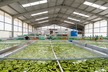
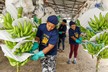
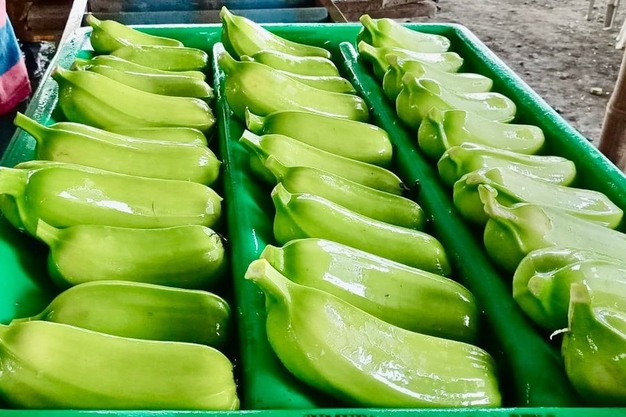
The Ecuadorian banana industry is experiencing one of its largest production declines in recent years due to bacterial moko, a disease primarily affecting the growing regions in Manabí. According to Patricio Cabrera, general manager of CR Agroexport, "the incidence of moko has caused a decrease of between 30% and 35% in national plantain production, which has had a strong impact on the entire export chain."
"It is a major challenge for state agencies and producers. The Ministry of Agriculture is taking steps, training growers, and promoting phytosanitary fences to contain the spread," Cabrera stated.
 © Agroexport
The decline in supply has led to an unprecedented rise in international prices. "We are currently managing FOB Ecuador prices ranging from $25 to $26 per 50-pound box, a level never seen before," he added. This increase, which can reach up to 60%, has temporarily benefited producers; however, it also poses potential risks in the destination market.
"In the United States, where we ship 80 to 100 tons a week, high prices might be passed on to consumers, potentially impacting demand. We need to carefully manage this balance," he emphasized. CR Agroexport also exports small amounts to Spain, with shipments of about 40 tons every two weeks.
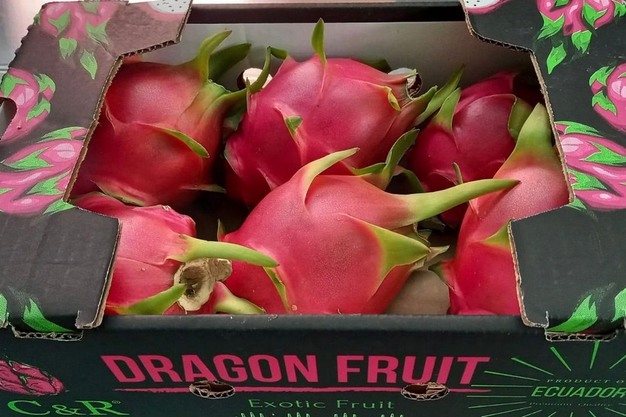
In parallel, the company continues to export pitahaya, a crop growing in importance as an agricultural alternative in Ecuador. However, production has been hindered by weather issues. "This year has been highly variable, with harsh winters, cold spells, and droughts. The crop is very sensitive to these fluctuations, but international prices have remained favorable," stated Emilio Cabrera.
 © Agroexport
"In 2025, pitahaya export prices range from $15 to $16 per box of 4.5 kilos for the U.S. market and $20 to $22 for the European market. CR Agroexport sends 85-90% of its shipments to the U.S. by sea, while Europe still depends heavily on air transport. We are testing new preservation technologies to enable sea shipping to Europe as well, which would reduce costs and increase competitiveness, he added.
The Cabreras emphasized the importance of strengthening phytosanitary control, adapting to climate change, and competing with countries like Mexico in the pitahaya market. "Ecuador can produce year-round, giving us an advantage, but we must improve efficiency and management," they said at the Global Produce fair in California, aiming to expand in North America.
 © AgroexportFor more information:
Patricio Cabrera
CR Agroexport
Ecuador
Tel: +593 99 944 6556
Email: [email protected]
www.cr-agrocorp.com