While the banana market in Iran is constantly growing, domestic supply and imports are experiencing fluctuations and a drop this year. Savana Nasseriakbar, R&D expert at Iranian importer Persian Dasht Product Company, shares her insights.
 © PDP
© PDP
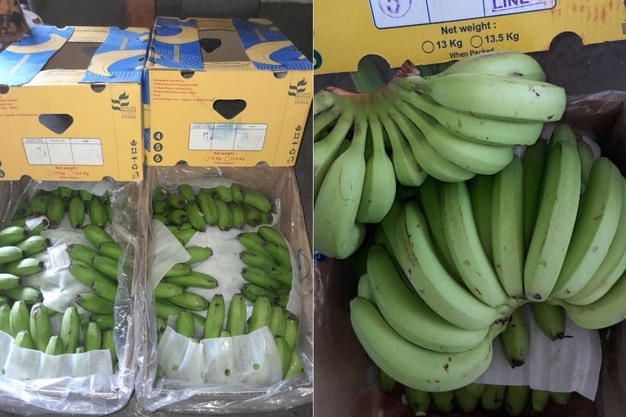
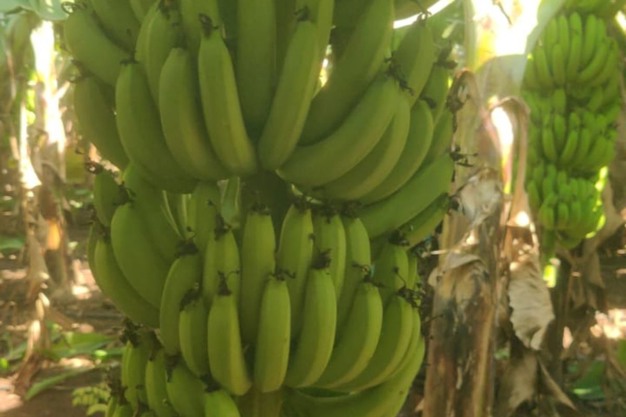
Iran is experiencing a decade-long drought that is impacting its local banana production. Nasseriakbar explains, "Climate change has become an increasing concern for both production and trade. Shifting weather patterns, irregular rainfall, and rising temperatures have heightened the risk of fungal diseases that threaten fruit crops. Around the world, issues like Panama disease, a fungal infection devastating to banana plantations, demonstrate the vulnerability of fruit farming under changing climatic conditions. Bananas thrive in humid, tropical, and subtropical environments, but their shallow root systems and sensitive green canopies make them extremely susceptible to drought. Studies indicate that an annual decrease of 100 millimeters in rainfall can reduce banana yields by as much as 65%, posing a major threat to production sustainability."
"In the long term, increasing drought severity and temperature extremes are expected to reduce the amount of suitable land available for banana cultivation. While modern irrigation systems can temporarily compensate for declining rainfall, prolonged drought and high temperatures can cause irreversible soil degradation," NasseriAkbar continues.
 © PDP
© PDP
Local banana production in Iran is only sufficient to meet a fraction of local demand, making imports necessary. According to NasseriAkbar, these imports come from various countries, including Ecuador, India, and the Philippines. However, imports are also reduced due to the economic context. NasseriAkbar explains that in order to import bananas, apples must be exported.
NasseriAkbar elaborates, "Iran's fruit trade policy links import permissions and export performance. For example, apple exports often help determine the volume of banana imports allowed each season to maintain a balance of trade and foreign exchange. The Red Delicious variety remains the most widely produced and exported due to its appealing color, taste, and storage resilience. Every year, Iran exports approximately 4 million tonnes of apples, ranking among the world's leading apple-exporting nations. This sector contributes substantially to Iran's agricultural economy and supports thousands of farmers and local businesses."
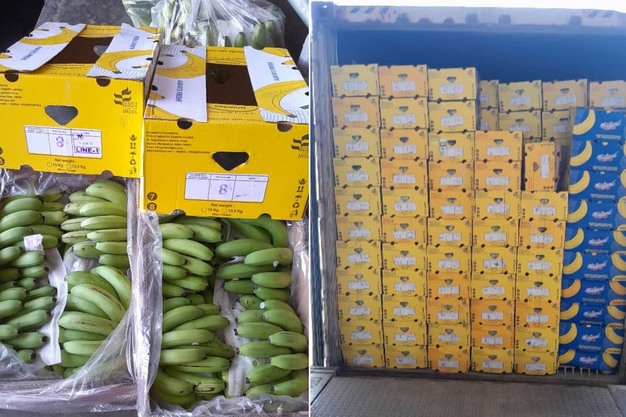
In this context, Iranian banana imports have declined this year, according to NasseriAkbar. She adds, "Recently, Persian Dasht and other Iranian traders have reduced seasonal banana imports, partly due to national import regulations and the climate-induced supply challenges affecting regions producing apples. Our primary import origin for bananas is India, and we had to cut our banana imports by 6% this year."
 © PDP
© PDP
"Despite these challenges, domestic demand for bananas in Iran remains robust. Consumption has been increasing steadily, by an estimated 3-5% annually, driven by population growth and a broader shift toward healthy, natural foods. Furthermore, as Persian Dasht continues to adapt to these evolving market and environmental dynamics, the company remains committed to sustainable trade practices, climate-resilient supply chains, and strengthening international partnerships to ensure that Iran remains a reliable fruit exporter and importer in the global agricultural market," NasseriAkbar concludes.
For more information:
Savana NasseriAkbar
Persian Dasht Product Company
[email protected]