Despite a long tradition of mushroom cultivation and strong domestic demand, Vietnam remains a net importer of mushroom products. The country currently ranks 11th in global mushroom exports but is the third-largest importer of processed mushrooms, after the United States and Hong Kong (China), and the second-largest importer of mushroom powder, behind the United States.
Vietnam produces between 250,000 and 270,000 tons of mushrooms annually. Experts note that this output is modest given the availability of raw materials such as rice straw, sawdust, cotton waste, and bagasse. The rice sector alone produces between 42 and 47 million tons of straw each year, providing potential substrates for mushroom farming.
Nguyen Hai Chau, founder of Hanoi-based Sumo Nhat Viet JSC, said mushroom farming could raise the value of one hectare of farmland to about US$19,700 per year when combining revenue from fresh and processed mushrooms and bio-fertiliser. "Mushroom farming not only increases farmers' income but also helps reduce agricultural waste and environmental pollution," Chau said. However, he added that success remains difficult for many producers.
Studies by Vietnamese research institutions cite challenges such as limited seed quality, insufficient research and development, and dependence on imported strains. Most domestic production of straw and oyster mushrooms still relies on imported seed due to unstable local varieties. Production is also fragmented, with few large-scale or technology-driven operations.
Post-harvest handling remains problematic, as mushrooms have a short shelf life and must be consumed or processed within 24 hours. Cold-climate mushroom varieties can be stored for only seven to ten days, while tropical varieties last five to seven days, even under refrigeration.
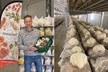
Some companies are investing in technology to expand production. In 2023, Bac Au High-Tech Food JSC built a US$4 million automated mushroom cultivation plant in Buon Ma Thuot, Dak Lak, using Japanese and Korean technology. The facility, managed with support from Japanese experts, produces 1,800 tons annually, focusing on enoki, chicken thigh, and seafood mushrooms.
Other firms, such as Vinamit, are developing processed and medicinal mushroom products. Vinamit's dried shiitake chips, sold for about US$5.30 per 80 grams, are among the company's best-selling products.
Market research by Ken Research estimated the value of Vietnam's mushroom market at US$362 million in mid-2025, citing higher consumer awareness of nutrition and health benefits. The IMARC Group projects the sector could reach US$600 million by 2033, expanding at an annual rate of 5.2%, supported by growing interest in plant-based diets, organic production, and medicinal mushroom research.
Source: TheStar