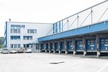
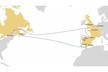
The Pingxiang Railway Port in Guangxi, China, has become a central gateway for Thai fruit exports, improving the logistics chain for trade between Thailand and China. Located in the Guangxi Zhuang Autonomous Region, the port has emerged as a main route for fruit shipments moving under China's Belt and Road framework.
According to the Thailand Journalists Association and NATION TV, Pingxiang functions as a digital bridge linking ASEAN countries to China. The port combines high-speed rail transport with digital logistics systems that support more efficient trade flows.
Expansion of Pingxiang's role in ASEAN-China trade
Pingxiang operates as a national-level Class 1 port and is the first railway port in China approved to import fruits from foreign countries. Covering an area of about 140 hectares, the facility has an annual handling capacity of 2.8 million tons. It serves as a checkpoint and central distribution center, linking Chinese inland regions and Europe with goods from ASEAN countries.
Transporting Thai fruit with improved freshness
Maintaining product quality has been a challenge for Thai exporters, particularly during peak harvest periods for durian, mangosteen, jackfruit, and dried longan. The increase in train frequency, from three times a week to three times daily, has expanded capacity and shortened delivery time.
Refrigerated trucks carry fruit through Vietnam to the Dong Dang border, where it is transferred to temperature-controlled railway containers at Pingxiang. The system allows Thai fruit to reach destinations in China within one day, maintaining freshness throughout the journey.
Digital customs procedures streamline cross-border movement
Guangxi authorities have implemented full digitalization of logistics and customs operations. The digital port system connects railway, customs, and border data, cutting customs processing time from several hours to about three to four minutes.
The system includes large container scanners and a "green channel" for fruit imports, reducing the need for manual inspection and minimizing delays. These procedures have also eased congestion at land checkpoints such as Youyi Guan and reduced risks associated with handling during health crises.
The Pingxiang Railway Port now serves both as a trade hub and a logistics model for agricultural exports between ASEAN and China, providing Thai fruit exporters with a faster and more stable connection to the Chinese domestic market.
Source: The Nation