When Modou Njie launched Farm Fresh in 2014, online shopping was still new in The Gambia. Internet penetration was low, digital payments were emerging, and most consumers preferred buying food at open markets. Njie, who had a background in technology and consulting, took the risk of introducing an online grocery platform.
A decade later, Farm Fresh has developed into what Njie describes as a "tech-enabled food distribution platform." The company uses AI for analytics, integrates with mobile and card payment systems, and is building cold-chain storage to extend the shelf life of perishable produce. The platform records between 3,000 and 5,000 daily visitors, most from Gambians living abroad.
A year after its launch, Farm Fresh received a US$5,000 boost from the Tony Elumelu Foundation, which helped strengthen operations and branding. Njie recalled that he handled orders manually, kept records on paper, and used his own car for deliveries. "It wasn't easy," he said. "But I had a passion for innovation and wanted to start something new."
Farm Fresh has since become part of The Gambia's e-commerce growth, introducing many consumers to online food shopping and inspiring similar ventures. The company also capitalized on food remittances, allowing Gambians abroad to send food instead of money to their families. "Many Gambians abroad were sending money to their families every month," Njie explained. "We said, why not send food instead?"
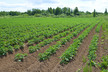
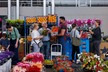
Today, 60 to 70 per cent of Farm Fresh's orders come from the diaspora, mostly in Europe and North America. The company sources from 1,000 to 1,500 smallholder farmers during peak season and lists over 80 local products, including vegetables. Strawberries are among its bestsellers from January to May. The company operates on a 10 to 15 per cent markup, buying from farmers at wholesale prices and adding packaging, branding, and logistics costs.
Farm Fresh is preparing to begin its own production on newly acquired land, with plans to grow vegetables and strawberries next year. "Once our cold room is ready, we can buy in bulk, extend shelf life, and control prices better," Njie said.
The cold-storage installation is funded through the World Bank's Tourism Diversification and Resilience Project, which selected Farm Fresh among 62 Gambian businesses for support. Njie noted that the company aims to move entirely to solar power to counter the country's high energy costs and frequent outages.
Farm Fresh plans to expand into Ghana, Senegal, and Rwanda within five years, with the goal of building reliable export links to Europe and other markets.
Source: TechCabal