There have been delays in the start of the vegetable season in Almeria, mainly due to the heat, and growers are looking to avoid the higher incidence of pests for this same reason. Those temperatures have also extended the European seasons, leading growers in the region to try to avoid a possible overlap.
As far as this season is concerned, "we currently have a third of the normal volume. There has been some delay due to late planting. The Netherlands is finishing, and it will be better not to overlap with local European crops. It's not good for the market to become flooded. The crops planted a little later will have better quality at the start of the season. This year, vegetables have been planted two or three weeks late on average. We won't know until spring whether it has been good or bad in terms of total production," says Manuel Escánez, manager of Las Hortichuelas.
 © Fresh Plaza
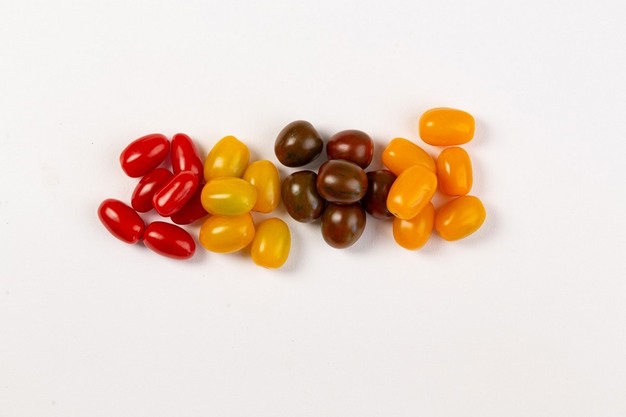
Tomatoes account for "60% of our production, and the range includes cherry, vine, cocktail, and plum tomatoes. We also have cucumber, eggplant, and watermelon. Sales in Spain represent 15% of the total, and the rest goes to Germany and Switzerland, which appreciate organic products just as much as the Scandinavian countries," says the manager.
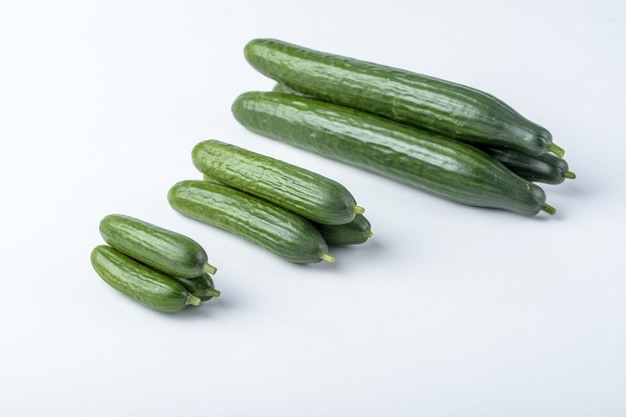
"Since the diversification of types, tomatoes have become one of the most common vegetables amongst consumers. For example, there are plum tomatoes of various sizes. The same goes for cucumber, with three sizes, snack, midi, and traditional, or eggplant, with traditional, Graffiti, and Japanese. This wider range helps boost consumption and achieve a little more added value," says Escánez.
 © Las Hortichuelas
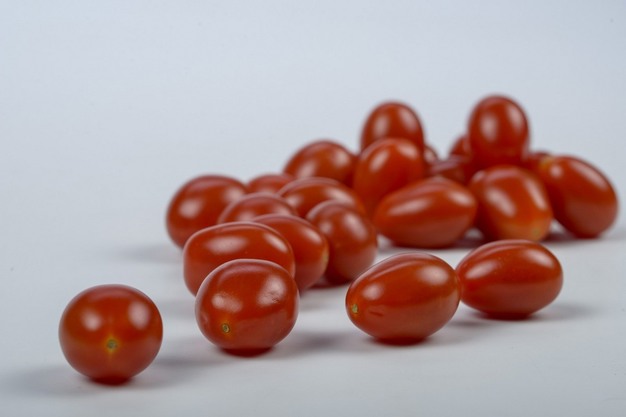
According to market trends, "I believe that small-sized products are on the rise; small tomatoes, for example, like cherry or cherry vine, are in good demand."
 © Las Hortichuelas
According to the manager, "the most recent pests can only be effectively tackled with integrated pest control. We are seeing that conventional treatments are losing effectiveness and that insects are the most useful method."
In short, "biology continues its course, so there are new pests, as well as new predators, being researched and applied. The cycle never ends, and we will have to continue to overcome new challenges in agriculture."
 © Las Hortichuelas
The goal "is to work as efficiently as possible both in the field and in the warehouse. We have to reach the market at the lowest possible cost. The selling price is set by supermarkets, and the labor costs are set by the Government with the minimum wage. Both large and small companies have to be more efficient. That is the key challenge," says the manager.
Las Hortichuelas has 600 hectares of crops producing 65 million kilos annually, both organic and conventional.
For more information:
Manuel Escánez
Las Hortichuelas
Tel.: +34 950 349 016
[email protected]
www.hortichuelas.es