Every improvement in flavor, shelf life, resilience, or yield begins with genetics. "It allows us to shape the entire berry experience – from how a plant performs in the field, to how long fruit lasts on the shelf, to how much consumers enjoy eating it," says Jim Roberts, President of Naturipe Farms.
Interests from growers, retailers and consumers
Creating an optimal experience means considering the interests of growers, retailers, and consumers, which are all different. Growers want resilient bushes that can withstand heat, cold, drought, and heavy rain, while still producing plenty of great-tasting berries year after year. To them, longevity, disease resistance, and adaptability are essential traits, reducing the need for frequent replanting.
Consumers on the other hand want a clamshell where every berry tastes great and looks beautiful. "Consistency is key and when shoppers buy a Naturipe berry, they should know exactly what kind of flavor and quality they're getting every time," said Roberts. The better the eating experience, the more likely people are coming back for more. According to Naturipe's research, consumers prefer berries that are sweet and juicy. More specifically, in blackberries, they want seediness and tartness kept to a minimum.
"We take these interests into account during the breeding process. Because we're grower-owned, we're always thinking long-term. Breeding isn't just about creating a better berry today, it's about ensuring farmers can thrive, retailers can provide delicious and high-quality fruit, and consumers can enjoy our berries for generations to come."
 © Naturipe Farms
Bringing a new variety to market
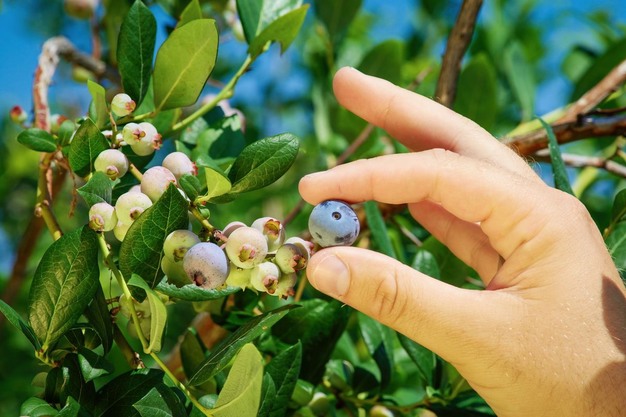
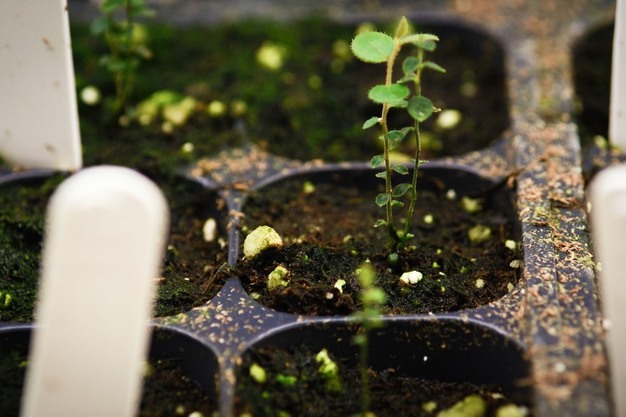
Breeding for the best berries is a long process. It can take anywhere from seven to 10 years to bring a new variety to market, and that's after 100 trials, where most didn't make it past round two. Each stage, from cross-pollination to field testing, requires years of study and refinement to make sure the plant performs well for growers and delivers the quality Naturipe expects for retailers and consumers. "Our breeding focuses on combining field strength with consistent flavor, helping growers achieve reliable, profitable, and sustainable harvests," Roberts commented. Naturipe is working to expedite this process by utilizing technologies and methods that allow breeders to move faster without compromising the process.
 © Naturipe Farms
Weather patterns
From this perspective, it has become crucial to focus breeding efforts on how weather conditions impact plant performance. "Mother Nature is a variable we cannot control, as much as we wish we could, and she presents big challenges." Extreme heat, cold snaps, overnight frosts, and unpredictable rainfall can all impact yield, quality, as well as the size of a berry. "Our breeding efforts allow us to select and develop varieties that can thrive across a broader range of conditions and are tolerant to heat, drought, and cold," Roberts shared.
Breeding locations
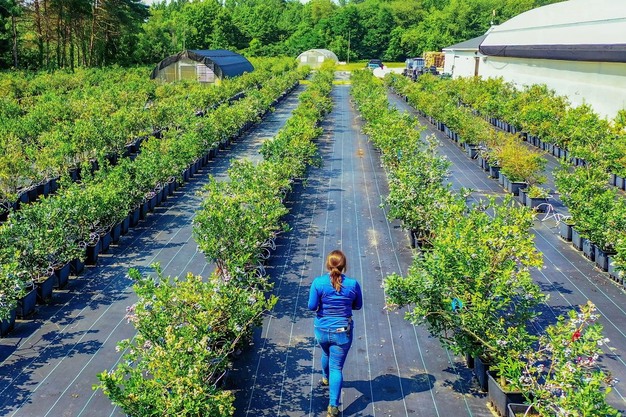
To reflect different climates and growing conditions, breeding work and test sites are located in the U.S. as well as internationally. "Our grower-owner MBG Marketing operates the Berry Blue program and has expanded across the country. Grower-owner Hortifrut on the other hand, operates breeding programs globally, providing access to diverse genetics and insights from every major berry growing region. In California, grower-owner Naturipe Berry Growers is involved in private and public breeding endeavors. Recently, the Ohala Strawberry Consortium was announced, which is focused on transforming strawberry breeding and developing non-GMO, true-seed varieties. "This is very exciting as it is a first for the industry. The geographical spread helps ensure the development of varieties that thrive anywhere Naturipe berries are grown."
 © Naturipe Farms
New flavors
Over time, consumers have started to show more interest in distinctive flavor experiences. "We recently offered retailers Berry Peachy Blueberries," said Roberts. "These are our classic blueberries with a juicy hint of peach, but still high in antioxidants and great for snacking or adding into smoothies or yoghurt." The company plans on bringing them back next season. Nevertheless, the overall focus is on enhancing natural flavor profiles, including making sweet berries sweeter, or creating a more balanced flavor to the berries retailers consistently stock up on like blueberries, strawberries, raspberries, and blackberries.
Branding
New berry brands continue to enter the marketplace, but their success will depend on consistent quality, supply reliability, and storytelling. "Retailers and consumers want to know more about where their favorite berries come from and how they are grown," mentioned Roberts. In addition, they want berries that last longer, look mouth-wateringly fresh, and deliver consistent flavor. "By delivering on performance and building trust with the retailer, we earn shelf space and keep it."
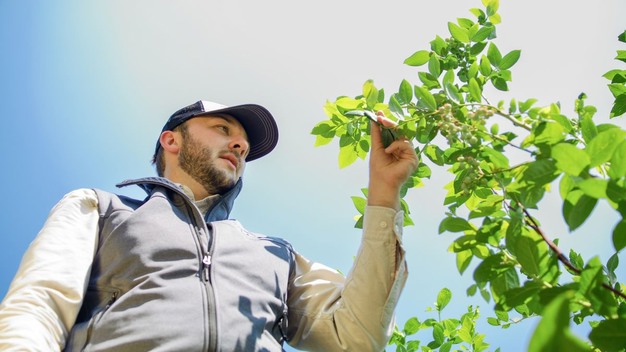
"Sweet Selections™ are an example of the very best we grow." They are the result of Naturipe's proprietary breeding programs and are selected only when they meet specific criteria that meet the company's already high standards. For shoppers, Sweet Selections™ mean they're getting the sweetest berries of the season, every time. For retailers, it is a way to offer a premium product that is backed by Naturipe's legacy of quality and grower expertise.
 © Naturipe Farms
 For more information:
Jim Roberts
Naturipe Farms
[email protected]
www.naturipefarms.com