The vegetable season is starting in eastern Spain, and temperatures are still hovering around 30 °C. This is also a time of heavy rains, and this usual combination of factors is worsened by uncertainty. Although agriculture has always been like this, in recent years, there has been a lot of unrest in the sector.
As far as forecasts for the start of the 2025/26 season are concerned, the Coáguilas' sales management team says: "There has been a delay in vegetables due to climatic incidents, mainly drought and torrential rains. The lack of water and the heavy storms recorded every year at this time of year in our production areas are a bad combination for agriculture. As for volumes and business forecasts, they are in line with those of previous years."
 © Coáguilas
Summer supply programs are becoming more and more difficult because "due to the weather conditions and the increasingly higher temperatures caused by climate change, we only have a short melon and watermelon season in summer. These are manageable products that are well-adapted to these conditions and which have their place in the market, given the high consumption levels at this time of year," says Coáguilas.
Due to the drought, "there's a trend towards greater diversification of production areas in the winter months. Companies are looking for planting areas where the climate and costs make it easier and more profitable to produce, because in our usual areas it is becoming increasingly difficult due not only to the lack of water supply, but also to the cost of water."
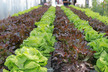
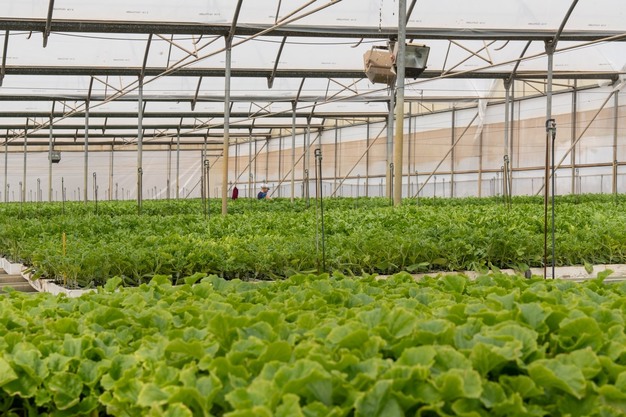
"It's becoming harder to plan the production because of the changing and unpredictable weather. Above all, when you are working with leafy products, which are so sensitive to the weather, it is difficult to plan the varieties and cultivation periods. What will be valid for one season may be completely wrong in the next. Everything is becoming very difficult," says the company.
 © Coáguilas
As for the number of growers with programs, "it depends on the products, but ideally, you want the productions to fall in line with a commercial plan and thus avoid overproduction, which we know can happen at certain times of the season and which causes prices to fluctuate downwards."
 © Coáguilas
As far as the greatest challenges for the sector are concerned, Coáguilas says: "There is a lot to improve and change, but we believe that we should aim to strike a balance between sustainability and profitability. We need a sector that is sustainable and committed to the environment and, at the same time, profitable and fair for all parties involved."
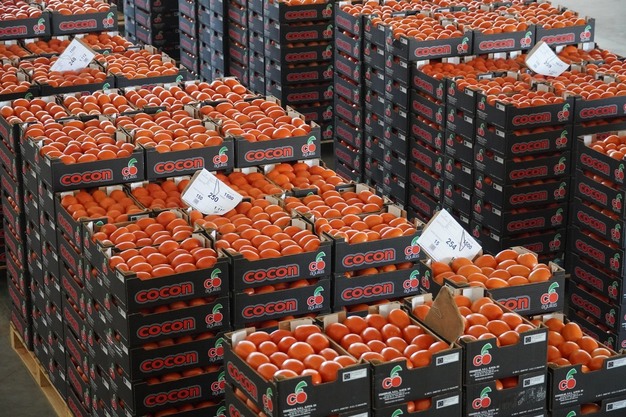
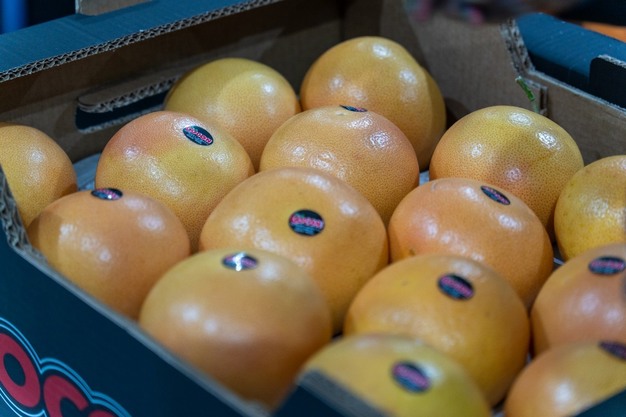
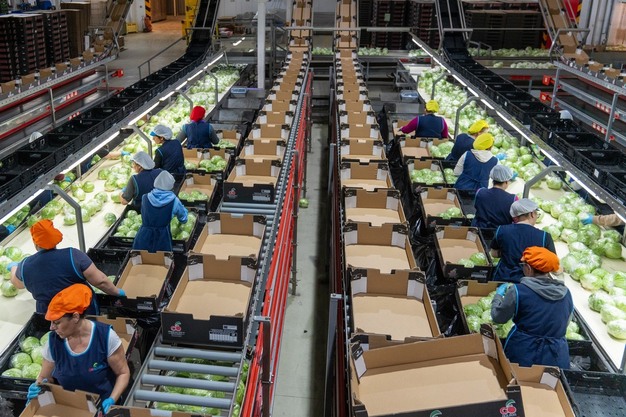
"Iceberg lettuce is our main product, both in terms of volume and marketing period, as it takes up to 8 months of our season. However, we are seeing other winter products gaining ground in recent years, such as plum tomatoes and Star Ruby grapefruit. In summer, melon and watermelon are increasingly important," says the company.
 © Coáguilas
"Although we work with clients practically in the whole of Europe, from Sweden, Norway, and Finland to France and Italy, we do quite a considerable volume for Germany and Central Europe. We also still do plenty of business with the United Kingdom, despite Brexit."
Coáguilas markets more than 20 million heads of lettuce, 3 million kilos of tomato, and approximately 4 million kilos of grapefruit. In summer, it produces 4 million kilos of melon and watermelon.
For more information:
Coáguilas
Tel.: +34 968 49 30 71
[email protected]
www.coaguilas.es