Australia's avocado industry is increasingly adopting data-driven approaches to production, with the Hort Innovation project AV21005 – Growing robust avocados – focusing on how digital tools can support decision-making. The project includes field trials across eight sites in Australia over three years, along with supplementary laboratory and field studies. These generate datasets used to analyse genetic, environmental, and management influences on fruit robustness.
The AV21005 project team, including researchers from the Department of Primary Industries (DPI) and the Department of Primary Industries and Regional Development (DPIRD), developed a project database to streamline data collection and analysis. Lessons from the system's implementation are expected to inform growers, supply chain partners, and industry stakeholders seeking to engage with digital transformation in horticulture.
The project uses the Katmandoo database, a system built on the open-source MySQL platform and developed by the Queensland and New South Wales Departments of Primary Industries. It was deployed at the DPI Gatton Smart Farm to ensure oversight of grower data. The database was populated with information from tropical Far North Queensland, sub-tropical Central Queensland, and Mediterranean south-west Western Australia.
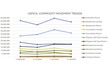
The system integrates preharvest agronomy data, postharvest results, trial metadata, and geospatial information, allowing users to test growing theories and evaluate robustness outcomes. Data visualisation, such as graphing mineral nutrient content in soil or fruit tissue, supports interpretation and decision-making.
The team noted that dashboards developed through tools such as Tableau or Microsoft Power BI can provide visual summaries and assist with supply chain analysis. Some growers may opt for commercial solutions integrated into business management systems. Database hosting can occur locally or through cloud platforms, each carrying different cost structures and management requirements. Regular backups remain essential regardless of the platform.
The project aligns with FAIR database management standards, ensuring that data is findable, accessible, interoperable, and reusable. While these principles mainly apply to research, the same practices can reduce duplication and improve data management efficiency across industries.
The AV21005 database aims to create long-term value by storing and structuring data for future research, development, and extension activities. It provides a foundation for identifying trends and informing decisions on production practices, including site-specific fertiliser management.
Researchers concluded that thoughtful database design helps maximise the information extracted from genetic, environmental, and management datasets as the Australian avocado industry works toward producing robust avocados for sustainable export markets.
Source: Kayabram Free Press