Melon exports from Brazil's 2025/26 crop showed strong performance in September. According to Comex Stat data, 32,000 tons were shipped during the month, up 279% from August and 39% higher than in the same period last year. Export revenue increased by 60% over the same period.
The increase is linked to the end of Spain's melon season, with Castilla-La Mancha—the country's last harvesting region—reporting reduced volumes. As a result, Brazilian shipments to Europe have intensified, supported by steady production from the Rio Grande do Norte and Ceará (RN/CE) growing regions.
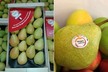
According to collaborators from Hortifrúti/Cepea, a large share of exports has consisted of the Piel de Sapo variety, mainly destined for European markets. The main importing countries were the Netherlands, the United Kingdom, Spain, and Argentina. With the conclusion of the Spanish harvest and stable production levels in RN/CE, Brazilian melon exports are expected to remain firm in the coming months.
In contrast, the 2025 melon season in Lagoa da Confusão (Tocantins), which began in mid-June and ended in September, presented mixed results. Initial margins were narrow due to lower selling prices, although later in the season, results improved compared with last year. Favorable weather in the first half of the year supported good crop development, with early fields yielding an average of 40 tons per hectare in June.
Despite high yields, demand remained weak during much of the season due to lower temperatures in southern and southeastern Brazil. As a result, average selling prices did not cover production costs, and growers reported financial losses in June. By late July and early August, drier and hotter conditions led to increased pest and disease pressure, including caterpillars, viruses, and powdery mildew.
Even with these challenges, producers in Tocantins achieved an average yield of 36 tons per hectare, a 21% increase compared to the previous season. Higher productivity helped offset production costs, which rose by 25% year on year, driven by increased labour, diesel, land rent, and input prices. Average profitability for the season ended 10% lower than in 2024, at about US$0.08 per kg.
Looking ahead, growers expect production expenses to remain elevated in 2026, meaning high productivity will continue to be essential to maintain economic viability.