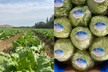
The closure of Denny Mushrooms' Phesantekraal farm in the Western Cape has raised concerns over the future of mushroom production and potential market shortages. The facility is scheduled to shut down in December 2025, marking the second closure by the company since 2022. After this, only Denny's Gauteng operation will remain active. The company has not commented on the reasons for the closure or the expected impact on national supply volumes.
According to market agents, the exit of Denny Mushrooms could create a supply gap and influence prices in the short term. William van Niekerk, director of Cape Town market agency Fine Bros, told Farmer's Weekly that shortages would likely be felt once production ceased. "Denny does not discover prices daily on the fresh produce markets based on supply and demand, like other commodities. They decide on a feasible price and keep it constant throughout the year. Because of the competition in the market, most other producers have to follow suit," he said.
Van Niekerk noted that while Denny's closure could result in higher prices, it would also present an opportunity for other producers to expand supply. "Until the supply gap left by Denny Mushrooms was filled over the long term, any farmer who could increase supply in the meantime stood to benefit," he added.
Producers in the sector say they are prepared to increase production but caution that mushroom farming remains a high-cost, technically demanding business. Profit margins are tight due to elevated input costs and subdued consumer spending.
Marietjie Kruger, owner of Chanmar's Humble Mushrooms near Heidelberg in Gauteng, said consumer spending constraints were affecting sales. "It is a luxury product and many look for cheaper ingredients that can go further," she said. Kruger added that veganism and the growing interest in exotic mushrooms such as shiitake and enoki had increased demand in recent years, but button mushroom growers continued to face profitability challenges.
Kruger identified biosecurity as a major risk in the sector. "Pathogens spread like wildfire on a mushroom farm and can wipe you out in a matter of days. It is very difficult to get up and running again after that, and most farmers will exit the industry at this stage," she said.
Sourcing suitable substrate materials is also a challenge. The substrate used in production is often imported from wetlands abroad, prompting environmental concerns over extraction. Kruger said she had developed an alternative substrate locally, underlining the need for adaptability within the industry.
"Mushroom farming is highly technical and expensive to set up. The school fees are costly, and farmers considering mushroom farming need to do their homework," Kruger said.
Source: Farmer's Weekly