The legal and diplomatic saga surrounding the import of fresh produce from the Moroccan Sahara to the European Union ended on 3 October 2025 with the revision of the EU-Morocco agreement, which was invalidated by the European Court of Justice a year ago. Considered a diplomatic victory in Morocco and welcomed by growers, the new agreement maintains preferential tariff treatment for Saharan products while introducing origin labelling requirements.
One year ago, on 5 October 2024, the European Court of Justice invalidated the agricultural trade agreements between the European Union and Morocco, on the grounds of a "lack of consent from the Sahrawi people", and imposed labelling requirements on products of Saharan origin. The court provided for a twelve-month period before the decisions would take effect, meaning that products from the Sahara were effectively absent from the EU by October 2025, as Moroccan exporters and authorities had always refused to mention any origin other than Morocco for these products.
 © AJIDA
Just a few days before the twelve-month deadline expired, a new agreement was reached between Moroccan and European diplomats, conceding the mention of origin, with one key detail: the designation of origin will use the official names of the regions according to Morocco's territorial division: "Dakhla-Oued Ed-Dahab" and "Laayoune-Sakia El Hamra".
Fouad Zouhair, a grower based in Dakhla and member of the economic interest grouping for Sahrawi youth growers Ajida, expresses his satisfaction: "This means that the trade situation will remain unchanged, and we can continue working as we always have. Using the official Moroccan names for our regions implies recognition of the Moroccan origin of our products, acknowledging our legitimate demands. It also increases visibility and strengthens the brand image of our products. Nothing has actually changed, as we at Ajida have been using the "Dakhla-Oued Ed-Dahab" designation alongside Moroccan origin since 2018."
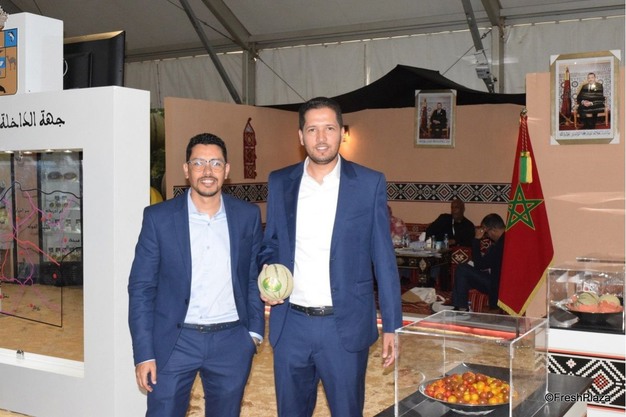 © Youness Bensaid | FreshPlaza.com
The new agreement maintains the preferential tariff treatment of products from the Moroccan Sahara under the free trade agreement between Morocco and the EU. Zouhair comments: "We will continue to supply the European market as usual. Despite the legal and diplomatic tensions of recent months, our export programmes to Europe have remained unchanged, thanks to the unwavering confidence of our European customers. As recently as the beginning of October, at the Fruit Attraction trade show in Madrid, we met with our customers, who assured us of their continued trust."
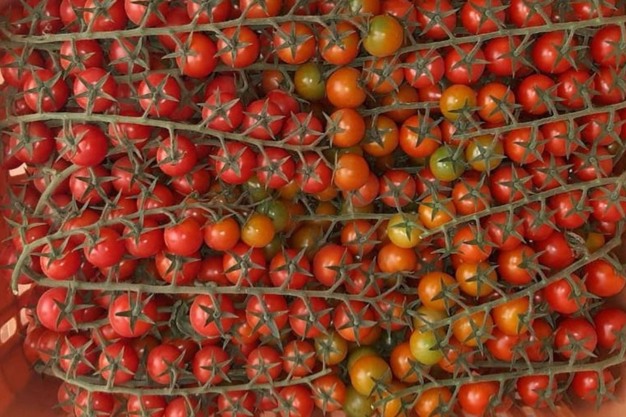
"Comader (Moroccan Farmers' association), the Ministry of Agriculture, and the Moroccan diplomatic corps promised us that they would resolve the situation before the European Court of Justice's deadline, and they kept their promise. For our part, we are continuing to work as usual and pursue our expansion plans. Next season, we will increase our open-field tomato acreage by 25 hectares, in addition to 50 hectares that will be irrigated by the new desalination plant in Dakhla, due to launch in 2026," Zouhair concludes.
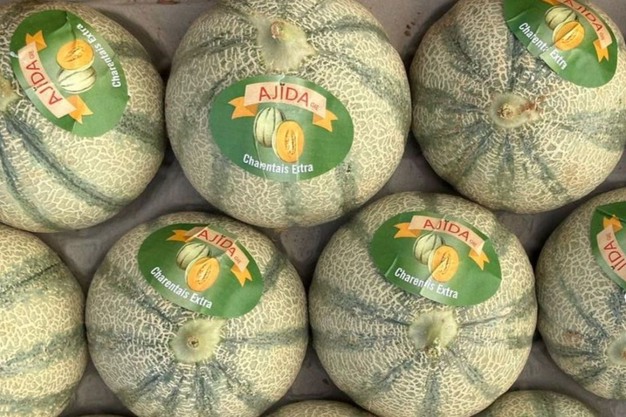 © AJIDA
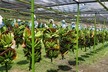
Agricultural production for export in the Dakhla-Oued Ed-Dahab region mainly consists of soft fruits, tomatoes, and melons. It benefits from an earlier seasonality than the Souss Massa region, thus extending the Moroccan season. With the launch of the seawater desalination plant scheduled for 2026, the region will see its production area expand by an additional 5000 hectares."
For more information:
Fouad Zouhair
AJIDA
Tel: +212661443591
Email: [email protected]