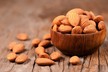
The Federation of Agricultural Cooperatives of Murcia (Fecoam) is requesting more controls in Europe to regulate the entry of U.S. almonds after the European Rapid Alert System for Food and Feed (RASFF) detected a shipment with aflatoxin levels three times above EU safety limits.
Almonds were found to contain 29.3 µg/kg of the fungus, exceeding the EU limit of 10 µg/kg. According to the RASFF alert portal, there were up to 18 alerts of varying severity regarding nuts from the United States in August and September.
"We are calling for even stricter controls in ports and customs in Spain and throughout the Union when it comes to controlling the entry of almonds, pistachios, and other nuts from the United States," stressed Fecoam's sector manager, Pedro Guerrero.
According to Fecoam, aflatoxins are mycotoxins that develop and multiply in humid environments. Spanish almonds, especially those from the Region of Murcia, are grown on unirrigated land and are harvested directly from the tree. This method ensures they remain in optimal condition for human consumption and retain high nutritional value.
In contrast, almonds grown in the United States are cultivated on a large scale using substantial amounts of water for mass production, and are not subject to the same phytosanitary restrictions as the European product. When stored improperly, especially in very humid conditions, elevated levels of aflatoxins develop. These toxins persist from the point of import into containers all the way to their arrival in Europe.
The United States accounts for approximately 80% of global almond production, making it the top producer worldwide, while Spain is the leading almond producer in Europe.
"We have long warned about the risks of aflatoxins and call for the Spanish Government and the EU to strengthen controls on this product's entry, seizing any that are unsafe for humans."
Fecoam noted that, beyond the aflatoxin risk, the recent trade deal between the European Union and the United States also affects the market. This agreement liberalizes the import of American nuts, but it imposes a 15 percent tariff on Spanish products to access the North American market.
"We are confronted with unfair and unequal competition from a product that can enter on a large scale without tariffs and may also threaten health. This represents a direct attack on our farms and growers, and additionally, it endangers all consumers."
For more information:
Fecoam
fecoam.es