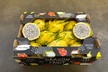
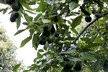
Data and reports continue to highlight the expansion of Morocco's avocado sector, even as pledges remain in place to address recurring droughts and water stress.
According to The African Exponent, Morocco ranked as the third-largest avocado producer in Africa in 2023, with at least 118,666 tons produced. The following season was described as a breakout year, with exports exceeding 10,000 tons and revenues reaching around US$179 million. The report also noted a threefold increase in planted area, rising from 4,000 hectares in 2018 to 12,000 hectares in the most recent season.
Export destinations for Moroccan avocados include Spain, France, and the Netherlands.
Kenya remains Africa's largest avocado producer, with approximately 542,278 tons in the 2023-2024 season. Ethiopia follows with 167,557 tons, while South Africa is fourth with 108,880 tons, and Malawi is fifth with 94,334 tons. Other countries in the top ten include Zimbabwe, Cameroon, the Democratic Republic of Congo, Angola, and Madagascar.
Despite Morocco's growing output, concerns persist around water availability. Official figures show that dam levels dropped to 34.22 per cent of capacity in August 2025. Morocco has taken measures in response to drought, such as cancelling the Eid al-Adha sacrifice ritual, banning the slaughter of female sheep and goats, and launching national campaigns to promote rational water use.
In June, EastFruit reported that Morocco surpassed the 100,000-ton mark in avocado exports. At the same time, questions are being raised within the country about the sustainability of current production levels. Parliament Member Fatima Tamni said in an interview with Morocco World News, "The government is not fulfilling its role; it has not reduced exports or decreased the quantities of crops grown, all of which deplete water resources." She added that the government has "not considered reducing the vegetables and fruits directed for export."
The sector's expansion continues to raise debate in Morocco, as production and export growth coincide with ongoing challenges related to water scarcity.
Source: Morocco World News