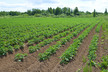
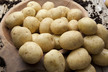
In Rwanda's Musanze District, farmers continue early morning cultivation of the Kinigi potato, a variety introduced in 1984 by the International Potato Center and known for its adaptation to local volcanic soils. The Kinigi variety remains the country's most commercially dominant potato, with demand driven by productivity, suitability for French fry production, and extended shelf life.
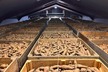
According to potato researcher Théophile Ndacyayisenga, yields can reach up to 30 tons per hectare. He highlights the variety's high dry matter content and ability to remain fresh for more than 20 days as factors supporting both local and export markets.
Farmer Appolinaire Karegeya, who has grown Kinigi for over 20 years, says the crop's weight and resilience make it profitable. "The weight of Kinigi potatoes is an advantage for farmers because we sell by kilogram," he explains. The current price is Rwf450 ($0.31) per kilogram, which is Rwf50–100 ($0.03–$0.07) higher than other varieties.
Farmers report that the variety's profitability has allowed them to expand land holdings, invest in housing, and cover education costs. Musanze farmer Honore Tuyishime says he progressed from renting land to owning a hectare dedicated to Kinigi production. Sylvestre Bariyanga, with 12 years of experience growing Kinigi, recalls harvesting 35–40 tons per season before pest challenges reduced yields.
Despite its market role, Kinigi faces production issues. Farmers and researchers report declining yields, with concerns over a possible virus and the impacts of climate change. The Rwanda Agriculture and Animal Resources Development Board (RAB) plans to test the variety in laboratories to confirm the cause and develop solutions.
Transport costs, driven by rising fuel prices, add further pressure, particularly for moving produce from rural areas to urban markets. Yield disparities between regions also exist. Seed supplier Ancille Mukarusigariye notes that Gicumbi District produces 15–20 tons per hectare, compared to higher yields in Musanze, with possible causes ranging from soil type to farming practices and microclimates.
In response, RAB has introduced other varieties, such as Cyerekezo, with similar yield and quality characteristics. However, stakeholders note that Kinigi remains preferred due to market demand and quality attributes.
Research and development efforts are being prioritized to maintain production levels and protect farmer incomes. For many growers, Kinigi remains central to household livelihoods, covering basic needs and supporting reinvestment in farming operations.
Source: Forbes Africa