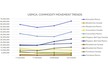
The first half of 2025 showed a 7.14 percent reduction in Cambodia's fresh mango exports, totaling 176,909.33 tons, attributed to heightened domestic demand. This scenario unfolded alongside a 19.26 percent rise in dried mango product exports, per the Ministry of Agriculture, Forestry, and Fisheries (MAFF) report. MAFF spokesperson Khim Finan commented to Kiripost, "It is usual for export volumes for any agricultural product to fluctuate within five to 10 percent. It's not a big decrease."
Local processing factories converting fresh mangoes into dried mango variants, including snacks for export, are credited with this shift. Inquiries by Kiripost to Penn Sovicheat, Ministry of Commerce spokesperson, went unanswered regarding further market details. Previously, 2024 witnessed over $140 million in fresh mango sales, predominantly directed towards China, as per Asia Fruit's data.
Chey Tech, a socio-economic analyst, emphasized the strategic role of mangoes in Cambodia's economic landscape. His analysis identified 38 companies engaged in mango drying, primarily situated in Kampong Speu province, with a minority being locally-owned amidst predominantly Chinese operations. Dried mango exports primarily target the EU, U.S., South Korea, China, and select ASEAN nations, yet domestic demand has curbed export growth.
Operational suspensions of certain processing facilities occurred due to non-compliance with environmental legislation, notably regarding waste management, Tech noted. Tensions between Cambodia and Thailand, which halted Thai fruit and vegetable imports, have bolstered local consumption. Theng Savoeun, Coalition of Cambodian Farmer Community President, remarked, "I can see that local demand has increased since the border tension between Cambodia and Thailand has arisen. Also, it is because the Cambodian government banned the import of Thai goods, like fruits and vegetables."
Additionally, Savoeun highlighted local economic nationalism fostering support for home-grown products, aiding economic and agricultural productivity. However, concurrent harvesting periods create market oversupply, impacting pricing. Savoeun urged governmental and organizational intervention in market diversification and farmer education initiatives to address these challenges.
Source: KiriPost