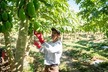
In Kenya's Bomet and Homa Bay Counties, smallholder bean farmers are adopting innovative agricultural techniques. By integrating beneficial insects and diversifying with fruit trees such as mangoes and avocados, these farmers are addressing climate challenges, promoting biodiversity, and enhancing soil and human health. This approach is emerging as a model for sustainable farming.
The Alliance of Bioversity International and CIAT, through the Pan-Africa Bean Research Alliance (PABRA), is central to these efforts. PABRA promotes sustainable agriculture across Kenya and other regions by leveraging partnerships and research.
Climate change in Kenya results in irregular rainfall, droughts, and rising temperatures, affecting bean yields and food security. PABRA, with the Building Equitable Climate-Resilient African Bean & Insect Sectors (BRAINS) project, addresses these issues. This initiative, backed by a CAD $20 million grant, aims to benefit five million farmers and 2.5 million consumers in 15 African countries.
Key elements of this initiative include the development of climate-resilient crops, such as drought-tolerant beans and fruit trees. Sustainable practices, including the use of insect-based solutions for soil fertility and pollination, play a vital role in improving agricultural productivity. Additionally, economic empowerment is fostered through investments in climate-resilient business development, ensuring long-term benefits for farming communities.
In Bomet County, partnerships with entities like Abosi TopHill Cooperative and Gorgor Primary School highlight PABRA's impact. The cooperative empowers women and youth, while the school integrates Nyota Beans into meals. Both now incorporate beneficial insects and fruit trees, further strengthening sustainable farming efforts.
In Homa Bay County, 1,200 farmers benefit from integrated farming systems, which enhance food security and income. Agroforestry and climate-smart agriculture practices contribute to improved soil health and biodiversity, supporting long-term sustainability.
The BRAINS initiative underscores the role of collaboration in sustainable development, creating a replicable model for food security and economic empowerment.
Source: Daily News Egypt