Amid ongoing diplomatic tensions between Morocco and Algeria, a social media campaign in Morocco has been advocating for a boycott of Algerian dates. This movement has inadvertently highlighted Egyptian and Tunisian dates as favorable alternatives in the market. As Ramadan approaches in March, Morocco has witnessed a surge in date imports, setting new records.
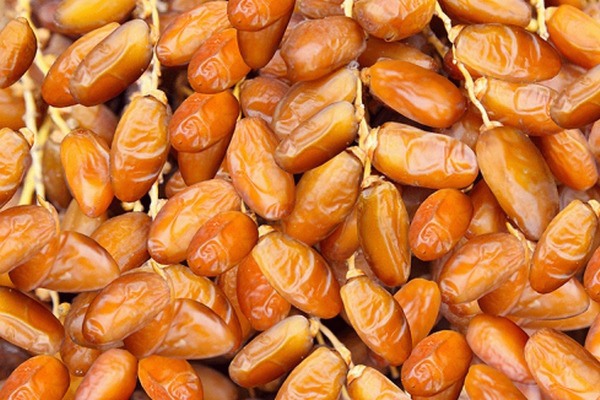
By December 2024, Morocco emerged as a key market for Tunisia's date exports, accounting for 19.7% of its total exports and overtaking traditional importers such as Italy and Turkey, which stood at 7.5% and 6.8%, respectively. "Driven by Moroccan demand, Tunisian exports increased by 11.4% in revenue by the end of December 2024, reaching 342.2 million dinars (MD)," reports the National Agriculture Observatory (ONAGRI). This increase is paralleled by a 10.5% growth in volume, with exports reaching 51,300 tons in the first three months of the 2024/2025 campaign.
In 2023, Morocco was ranked as the world's second-largest importer of dates, with India leading the chart. Despite an uptick in domestic production, dates continue to dominate Morocco's fruit and vegetable import segment. The country primarily sources its dates from the United Arab Emirates, Egypt, Tunisia, and Algeria, reflecting a diverse import portfolio in response to shifting geopolitical landscapes.
Source: Yabiladi