As the world gradually eases the lockdown, opening up their economies in phases, all countries have been thinking out of the box on how to survive and sustain their economies and job challenges post COVID-19 pandemic. These nations are looking at various angles where they have comparative advantage to kick their economy rolling.
However, experts have identified the Nigerian ports as to where Nigeria has huge comparative advantage through export to tackle post COVID-19 pandemic because it has enormous export products whose potential can be harnessed to generate foreign exchange, create jobs and grow the GDP.
Historically, the non-oil export sector has been abandoned by various successive governments in the country. Despite being neglected, the sector has contributed tremendously to the nation’s economy over the years. For instance, in 2019, Nigeria earned N2.5 trillion from non-oil export alone.
While N344 billion was recorded in 2016, N629 billion in 2017 and in 2018, Nigeria raked in N1.1 trillion from non-oil export. The revenue government rakes in from the sector keeps rising every year despite the fact that Nigeria took an unfortunate back stage position in export of various commodities.
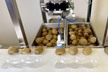
Most of these revenues were recorded from various agricultural products that are high in demand across the Europe, America and Asian countries. These commodities include; garlic, ginger, cashew nuts, cocoa, palm kernel and groundnut, dry fish among others.
For Nigeria to have seamless export system, there is need for dedicated shipping lines for export and also, the Federal Government should find a lasting solutions and remove the bottlenecks that pose hindrances to export cargoes in the country. The issue of Apapa gridlock and other obstacles at the ports should be tackled.
The Managing Director of Universal Quest Nigeria, Mr. Sotonye Anga, said the Nigerian ports have to be proactive and more efficient in handling export cargoes, adding that there should be a dedicated shipping lines for agriculture products to move.
[ N100 = €0.23 ]