Fruit is king when it comes to South Africa’s agricultural economy. And the Lona Group is providing a platform for progression across South Africa, approaching agriculture in an innovative way.
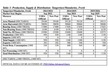
Each year, approximately 4.7 million tonnes of it are produced across the country according to statistics from Fruit South Africa, directly sustaining the jobs of 180,000 people. Within this, citrus has become the most substantial subsector.
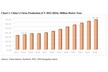
In the half decade since 1965, output has risen from 10 million to 177 million 15-kilogram equivalent cartons, and today well over half of the total produced in South Africa can be categorised as citrus, contributing roughly 30 percent of the total value of the entire national fruit industry. The Lona Group is one company that has not only continued to capitalise on this but has equally helped drive the industry’s growth trajectory upwards.
Founded in 1996 in the wake of the deregulation of South Africa’s agricultural sector, the Group has since established itself as a leading national fruit exportation firm.
“We are one of the top 10 citrus grower/exporters operating within South Africa,” says Derek Sutton, Managing Director of the Group’s export business. “This year we’re expected to produce four and a half million cartons of exported citrus, alongside the products that we sell to the local market.”
An innovative approach
Becoming number one, however, is not top of Lona Group’s agenda. Instead, the Group places significant strategic emphasis on furthering the impact of its unique business model – a business model that has been key in helping to tackle social problems across South Africa.
“Transformation in the South African agricultural landscape is a given,” Sutton explains. “However, in ensuring that this is sustainable we put a lot of effort into assisting emerging farmers, often providing them with an initial platform, helping them to work more productively and making sure they are part of a non-exploitative value chain.”
According to an article on africaoutlookmag.com, this philosophy has lasted through the Company’s entire history, having been inspired by the ethos of the previous owners of Lona Group’s primary farm.
Sutton continues: “When we bought Riverside, our first farm, in the Eastern Cape, we understood that the farmers that we bought it from already had a passion for helping the community. We learnt that he had been lending his own tractors and equipment to the subsistence farmers around him, and we made sure we continued this.
“We lent our own cash to these farmers, helping them to gain the capital they needed to plant crops, with a back-to-back agreement that we would take a percentage from the sales. This is really from where our structure originates.”
Having expanded on this concept, Lona Group’s business model is not only sustainable but also enables socio-economic development through wealth creation for disadvantaged farmers.