The 2026 Alphonso season in India is shaping up as a year in which traditional buyers are still holding on to the real GI‑tagged Ratnagiri Alphonso, but many customers are switching to cheaper alternatives, says Madhura Inamdar of Yashaswi Mangoes and Food. "Traditional buyers still value Ratnagiri GI Alphonso, but genuinely speaking, there is a clear shift from premium quality to value for money, and export growth is now more about balancing price‑driven demand against the pursuit of premium only."
According to Madhura, Ratnagiri, Devgad, and Sindhudurg regions in the Konkan belt have started the season with unseasonal temperature swings and sudden rains during the flowering season, hurting fruit set initially. "The fruit setting stabilized later, but we are not looking at a bumper crop, nor at a better harvest than last year. Ratnagiri GI Alphonso quality is expected to be good to very good from mid‑April onward, as the early fruit shows more variability in size and sweetness," she notes.
 © Yashaswi Mangoes and Food
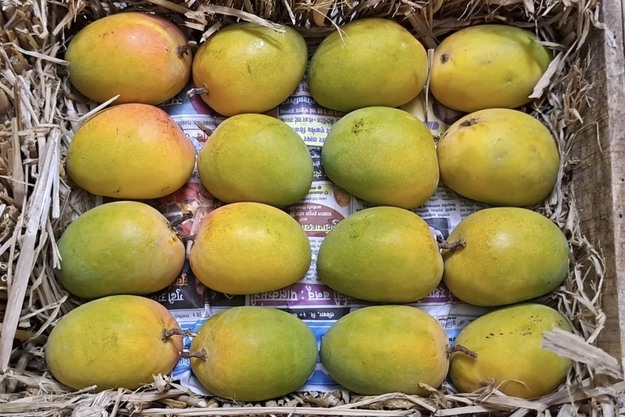
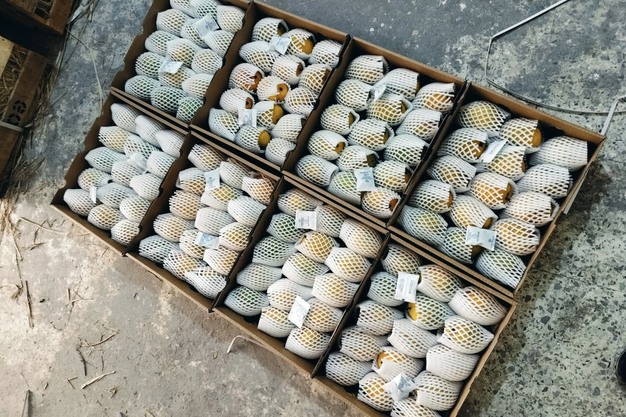
Yashaswi Mangoes and Food focuses on GI‑tagged Ratnagiri Alphonso, GI‑tagged Ratnagiri Alphonso pulp in both sweetened and unsweetened formats, Devgad Alphonso, and Kesar mangoes for specific markets. "For 2026, we are targeting residue‑free (MRL) mangoes for the EU market, with talks underway with new buyers in Berlin, Hamburg, and Munich, plus a buyer from Calgary, Canada," Madhura mentions. They exported to Qatar last year and are weighing repeat orders, while also exploring new demand in East Asia and the Middle East, subject to the geopolitical situation.
In premium markets such as Japan and the EU, buyers still insist on authentic GI‑tagged Ratnagiri Alphonso, with a strong emphasis on traceability, certification, and taste, Madhura observes. "Buyers in these markets want the real Ratnagiri alphonso, not just any alphonso‑looking fruit. But mass markets, particularly in parts of the Middle East and some EU segments, are becoming more price‑sensitive."
 © Yashaswi Mangoes and Food
Domestically, demand in metros like Mumbai, Pune, Delhi, Gurgaon, Bangalore, Faridabad, and Chandigarh remains strong, especially after Akshaya Tritiya, when families traditionally begin eating Alphonso. "Early‑season prices are high, but as the festival period passes, consumption rises, and prices start to ease," Madhura says, noting that last year's FOB Mumbai prices for Ratnagiri Alphonso ranged from around USD 8.6 to 27 per box of 12 mangoes, indicative of the premium attached to early‑season fruit.
For Indian mango exporters, climate volatility, higher freight, stricter requirements in the USA, EU, and Japan, and competition from Pakistan, Peru, Mexico, as well as domestic varieties like Badami and Kesar are all squeezing margins. "Arrivals increase gradually through April, peak in May, and taper as the monsoon starts, with export volumes likely to stay stable or slightly lower. For premium GI Alphonso, prices will stay firm and may even edge higher than last year, but buyers are far more selective about how they spend," Madhura concludes.
For more information:
Madhura Inamdar
Yashaswi Mangoes and Food
Tel: +91 7738021422 / 9923390664
Email: [email protected]
www.yashaswiindia.com