Fruit exports from Brazil have so far seen limited impact from rising transport costs, as shipments are concentrated in the second half of the year.
According to Abrafrutas, around 60 per cent of exports take place between September and December, with mangoes and melons accounting for a large share of volumes. Shipments from the new crop typically begin in late July, with volumes increasing from week 34.
"For most fruit exporters, the war has not really hit home," said Guilherme Coelho, president of Abrafrutas, speaking during the Fruit Attraction trade fair in São Paulo.
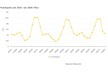
Freight costs have started to increase following recent market developments. Leandro Perna, logistics manager for reefer cargo at Maersk, said ocean freight rates have risen by between US$300 and US$600 per container, or around 10 per cent, depending on cargo and destination.
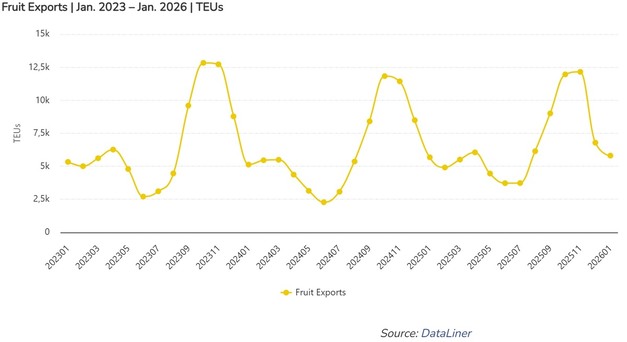 © DataLiner
Air freight costs are also expected to increase. Patricia Bello, chief executive of GolLog, said aviation fuel prices in Brazil are projected to rise by 54 per cent in April.
Exporters are monitoring cost developments ahead of the main export window. Gold Fruit, based in Petrolina, has not yet started shipments for most mango varieties, with exports currently limited to the Palmer variety. The company negotiates freight contracts in advance. "People are already starting to complain," said chief executive Mario Otsuka, referring to early adjustments in logistics pricing.
In road transport, costs have also increased. According to Robson Araujo of Sebastião da Manga, truck freight rates rose from 28,000 reais to 32,000 reais (US$5,500 to US$6,300) after the recent market changes. "If the war drags on for too long, it will become very complicated for the sector," he said.
Europe remains a main destination for Brazilian fruit exports, with exporters assessing logistics conditions ahead of the peak shipping period.
Source: Globo Rural / Datamar News