A University of Georgia lab has developed a method to identify the origin of garlic using microbiota and machine learning to reduce food fraud.
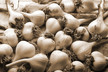
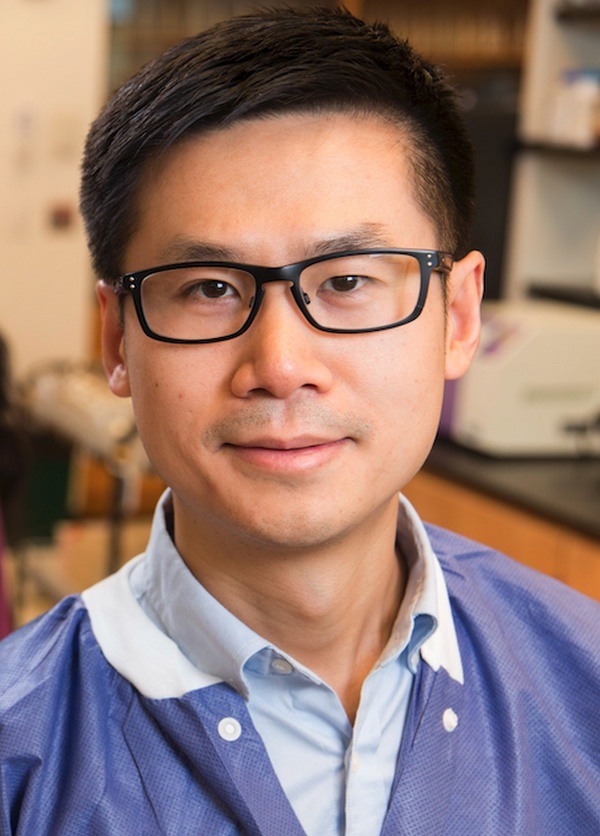
Led by Xiangyu Deng, a professor at the UGA Center for Food Safety, researchers examined the microbiota, the population of tiny living organisms, that live on the surface of garlic bulbs. By detecting the unique bacterial fingerprints present on each garlic bulb, researchers were able to identify the geographic region where the garlic was grown. Because the bulbs are grown underground, they take on the characteristics of the soil, a concept known as terroir.
 © University of Georgia
Economic issues caused by food fraud
The United States imposes a 376% tax on garlic imported from China to protect domestic farmers. To avoid the tax, some sellers import garlic to a different country before shipping to the U.S. and falsely claim it was grown there, a process called transshipment.
Current tests for garlic origin look for specific chemicals and metals, which require expensive machinery and preparation. This form of food fraud is estimated to cause global losses of $10 to $15 billion per year.
Using machine learning as a solution
Every region of the world has distinct types of bacteria in its soil. Because garlic grows underground and is not washed before it is sold, it retains a signature of that soil on its skin.
The researchers used sterile bags and a unique liquid to wash the garlic samples. By uploading the molecular fingerprint of bacteria found in the wash into a computer dataset, artificial intelligence (AI) was able to identify the origin of the garlic 90% of the time.
Key findings of the research
On a microscopic level, it is difficult for a fraudster to alter the bacteria on a garlic bulb without ruining the product.
This machine learning method provides a faster and more cost-effective scientific tool for law enforcement agencies, such as U.S. Customs and Border Protection, tasked with investigating suspicious shipments and ensuring garlic is labeled accurately.
Next steps in research and implementation
Deng said his team will continue exploring how to leverage the microbiome as a useful microbial identity for food commodities.
"Parallel to our work on genomics and whole-genome sequencing, we are also interested in microbiome applications in food microbiology. Unlike WGS, it is still challenging to come up with clear, compelling application scenarios for food microbiomes," he said.
For more information:
University of Georgia
Tel: +1 706 542 3000
www.griffin.uga.edu