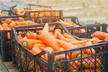
Mozambican supermarkets are showing interest in Zimbabwean-manufactured food items such as beverages, bread, dairy products, and cereals. Retail buyers are also looking for fresh produce, including potatoes, tomatoes, butternuts, peas, onions, lettuce, cabbage, blueberries, grapes, apples, peppers, carrots, and leafy vegetables.
Demand for Zimbabwean agricultural products remains largely unmet in Mozambique. This situation is creating opportunities for farmers and agro-processors in Zimbabwe to supply the Mozambican retail market.
Mozambican supermarkets have expressed keen interest in Zimbabwean-manufactured food items such as beverages, bread, dairy products, and cereals. Beyond processed goods, there is also demand for fresh produce.
Political engagement between the two countries is also supporting agricultural trade. President Emmerson Mnangagwa has emphasised strengthening agricultural ties under the framework of the Joint Permanent Commission on Cooperation.
Trade data shows a shift in the balance of trade between the two countries in recent years. In 2020, Zimbabwe recorded a trade surplus of US$183 million with Mozambique. The surplus declined to US$116 million in 2021 and US$38 million in 2022 before shifting to a trade deficit of US$55 million in 2023. By 2024, the trade deficit had widened to US$159 million.
Total trade volumes increased during the same period, rising from US$469 million in 2020 to US$657 million in 2024.
Source: TrendsNAfrica