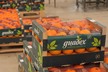
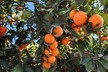
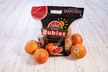
Mandarin supply from California is good, as it tends to be from late January to mid/late April. "While there's plenty of volume, there have been a few things happening this season that are different than normal," says Al Bates, president of Sun Pacific Shippers.
For starters, there was a fairly significant amount of fruit drop in the field in December, which is somewhat unexplained, and has slightly impacted the overall supply this season. It also varies from field to field–some areas saw a drop of 35-40 percent on fruit and in other areas, there was no drop at all.
"We've also had very mild weather both last summer and this winter with more than average rain," says Bates. "That resulted in a bit of larger sizing and it also advanced the maturity of the fruit. So some blocks will not hold up as long as they probably would have historically."
 © Sun Pacific Shippers
Future shorter crop a possibility
That said, the overall quality has been good. "We're not expecting issues with supply through most of April. As you get into May-June, with some of the drop and the advanced maturity, there may be a shorter crop at that time of year," says Bates.
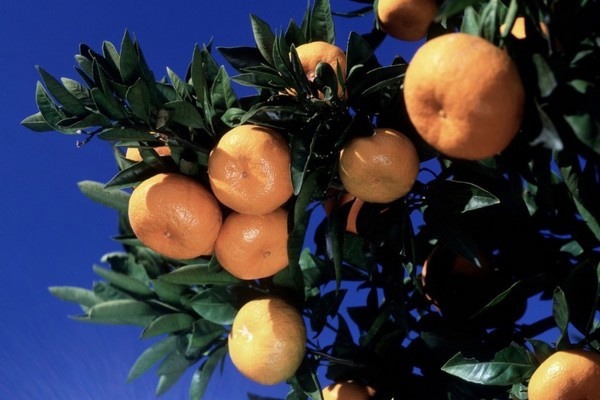
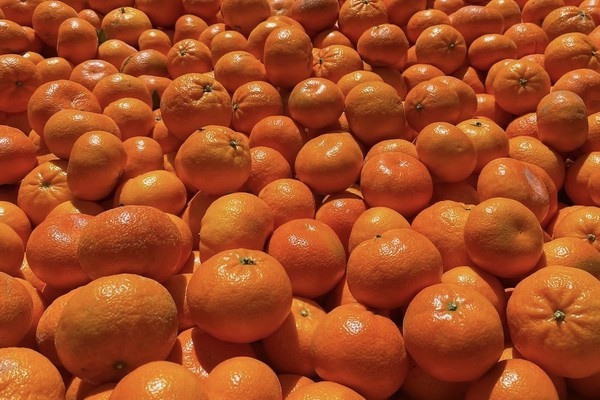
At this time of year, the company is shipping two mandarin varieties: Tangos and Murcotts, with Tangos as the majority of the fruit. "Since we were one of the first ones to get into the mandarin business, we planted a lot of Murcotts because there weren't Tangos available at that time. Murcotts are a later holding piece of fruit so we may be in better shape than the industry in having fruit later in the season," he notes.
It is a bit of a different picture overall than this time last year when the industry wasn't seeing fruit drop and maturity levels and acid levels were higher. This year, the acid levels are lower, which usually results in less holding quality of the fruit. "Last year, the quality of the fruit in the industry was phenomenal. It was an anomaly in the citrus industry where all of the fruit was extremely clean with minimal pest defects. This year is a little bit more, but nothing that's really out of line and the quality is good too," says Bates.
In addition to California production, some mandarin imports from Europe are also shipping at the moment, though that mainly affects supply on the East Coast and Canada. Florida also has a small market, largely in the southeast. It's expected that in June, clementines will start to make their way in from the southern hemisphere which can impact the later domestic mandarin market.
 © Sun Pacific Shippers
Mandarin movement steady
As for demand, it is good. "We've had good movement and we're ahead of last year as far as what we shipped in our Tango/Murcott crop," says Bates. Demand is expected to stay this way and there are hopes the quality of the fruit will hold up so shipping can continue into early to mid-June.
This is also leaving pricing pretty similar to last year. "There could be some changes in open market pricing as we get later in the season because there may be less supply available," he says.
Meanwhile, looking ahead at the upcoming crop later this year, the recent rains and snow is expected to help that crop. "Water is always the number one priority with labor usually the #2 and it seems like we've had a good labor force for most of the season," he adds.
 For more information:
Al Bates
Sun Pacific Shippers
Tel: +1 (213) 612-9957
https://sunpacific.com/