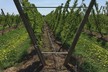
A rare Arctic blast in early February brought sub-freezing temperatures to southern Florida, affecting crops in the Everglades Agricultural Area and as far south as Homestead. Farmers who typically supply sweet corn, green beans, and lettuce during the winter months are now assessing damage.
Jonathan Allen, farm manager at RC Hatton Farms, reported that about 40% of his crops were damaged, including roughly 120 acres of sweet corn considered a total loss. "The freeze is the worst that I can remember, probably worse than 1989," Allen said. "Across the board, it's devastation, complete devastation."
Stewart Stein, a grower in Belle Glade, covered young sugarcane plants with soil to limit exposure. He estimated losses of about US$500,000 on his sweet corn field near Lake Okeechobee. Florida Department of Agriculture data indicates the freeze may have caused more than US$1 billion in losses statewide.
Florida's winter production supports the national supply when other regions face cold conditions. The USDA reported that central Florida will see a shortage of strawberry supply, while other commodities may face production losses lasting months or years.
Florida Commissioner of Agriculture Wilton Simpson requested federal approval to use the state's disaster block grant programme for affected producers. Members of Florida's congressional delegation also requested a federal disaster declaration. Governor Ron DeSantis signed Executive Order 26-33 to facilitate emergency harvesting.
Producers implemented frost mitigation strategies as temperatures dropped from February 1 to 3. "Anytime they say an Arctic blast is coming, it gets your attention," Stein said. "We were expecting it."
Growers used helicopters to mix warmer upper air with colder surface air to reduce frost formation. During calm nights, up to 30 helicopters operated over fields in western Palm Beach County. One farmer hired 12 helicopters at a cost exceeding US$500,000. Flight costs range from US$2,500 to US$5,000 per hour.
Soil irrigation was also applied ahead of freezing temperatures. Hydrated soil absorbs heat during the day and releases it at night, helping moderate the temperature near plant roots. Overhead irrigation was used in some cases to create a thin layer of ice around plants. This ice can act as insulation and reduce moisture loss.
"We try everything possible to save what we can," said Keith Wedgworth of the Western Palm Beach County Farm Bureau. "You are really just trying to gain a few degrees, and sometimes you have to really think outside the box."
Allen added: "We have to try to feed the country, so we need all the help we can get to continue to do that."
Source 1: Florida Politics
Source 2: News-Journal