Papayas are available year-round and remain popular with consumers, but origin plays an important role in taste, ripening behaviour, and sustainability. According to Lieve Michielsen of Special Fruit, this influences both logistics and how the fruit is perceived.
 © Special Fruit
Global reach, variable volumes
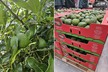
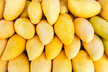
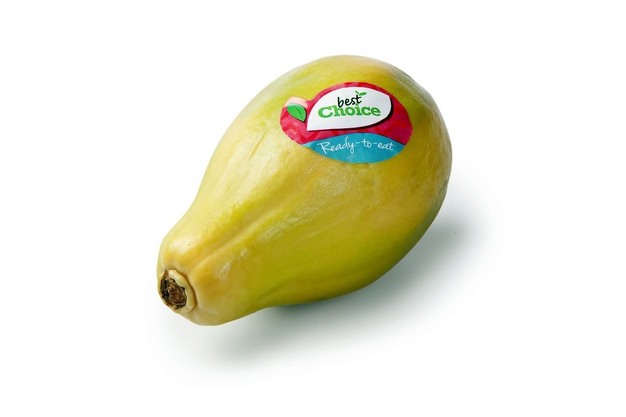
Brazilian papayas, including the Golden and Formosa varieties, are exported to all continents. "Brazil's advantage lies in high availability and the ability to supply markets worldwide," explains Lieve. "At the same time, climatic conditions bring challenges. Higher temperatures and irregular rainfall can cause variability in fruit size and volumes, requiring additional sorting and careful ripening management. Golden papayas are particularly sensitive to these fluctuations, while size variation is more pronounced in Formosa."
"Overall volumes are reasonably stable, but week-to-week predictability is lower. This requires flexibility in planning and logistics. At the same time, international demand remains strong. Existing markets continue to grow, and new destinations are emerging, increasing competition for export-quality fruit."
Local, sustainable, and tasty
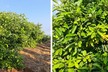
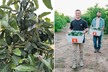
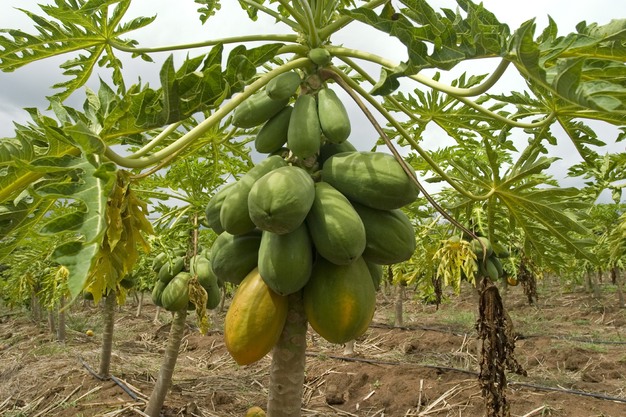
In Spain, mainly in Tenerife, the focus is on local production and consistent quality. "With more than 66 hectares, our grower is the largest papaya producer in Europe. They combine decades of farming experience with a clear focus on sustainability," says Lieve. "The key difference is distance. Proximity to our outlets allows the papayas to remain longer on the tree before harvest."
 © Dreamstime
"This is reflected in texture, aroma, and natural sweetness. In addition, the carbon footprint is significantly lower than that of overseas imports. Spanish production does not focus on maximum scale, but on efficiency and strict quality control. This makes the fruit reliable, even in a context of rising costs and logistical challenges. The 'Made in Spain' label stands for freshness, reliability, and quality. These papayas are soft, aromatic, and consistent in flavour, which is exactly what the European market demands."
Shared challenges, different approaches
Both origins face climate pressure, but their approaches differ. "In Brazil, the emphasis is on volumes and export reach, while in Spain, the focus is on local efficiency and consistent quality. European fruit supply increasingly demands sustainable and flavour-driven products. By working closely with customers, we can fine-tune both local and imported fruit to market needs."
Golden or Formosa, from Brazil or Spain, remains a widely appreciated tropical fruit. Special Fruit views both origins as complementary. "Brazilian papayas provide global availability, while Spanish papayas offer a local, sustainable alternative with premium quality. The key is that customers can rely on fresh, tasty fruit that meets their demand all year round."
For more information:
Lieve Michielsen
Special Fruit
Europastraat 36
2321 Meer, Belgium
Tel: +32 3 315 07 73
[email protected]
www.specialfruit.be