Queensland fruit and vegetable growers continue to raise concerns about the impact of payroll tax on farm businesses, particularly those with seasonal labour requirements. Industry representatives say existing payroll tax settings do not reflect the operating realities of horticulture, especially during periods of disruption caused by extreme weather events.
In Queensland, payroll tax applies to businesses once total Australian wages exceed AU$1.3 million per year. For many medium-sized horticultural operations, this threshold can be reached during peak harvest periods when seasonal workers are employed. Once the threshold is exceeded, growers face a payroll tax of up to 4.95 per cent on wages, an added cost that producers say cannot be recovered through market pricing.
Growers have reported that payroll tax obligations remain fixed even when farms are affected by natural disasters such as floods, cyclones, or prolonged weather events. Industry bodies are therefore calling for reforms that would introduce more flexibility during periods of financial stress.
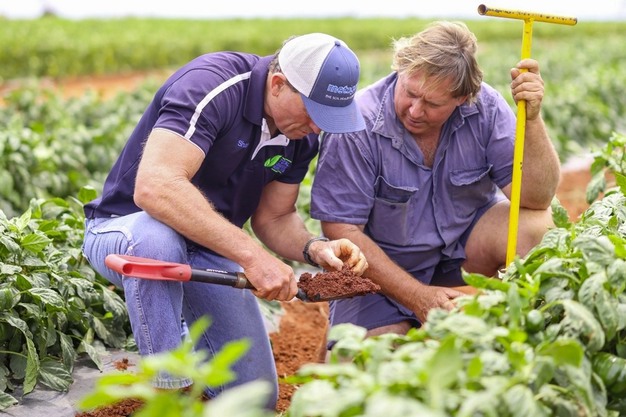 © QFVG
Proposals put forward include a 12-month payroll tax exemption for growers operating in declared disaster zones, recognising that recovery periods often extend across multiple growing seasons. In addition, a grower-declared three-month payroll tax pause has been suggested to allow businesses to manage cash flow during the most difficult phases following a disaster, without repayment requirements. Industry groups have also argued that such measures should be automatically triggered once a disaster declaration is made, rather than relying on separate application processes.
Supporters of reform note that payroll tax exemptions already exist in Queensland for certain categories, including wages paid to apprentices and trainees, registered charities, and rural general practitioners. Temporary payroll tax relief was also introduced during the COVID-19 period, while JobKeeper payments were exempt from payroll tax.
Grower organisations state that targeted payroll tax relief could help farms retain experienced workers, limit workforce reductions, and maintain employment in regional communities that are heavily dependent on horticulture. They argue that reduced wage-related costs during recovery periods would allow growers to focus on restoring production and maintaining farm operations.
Industry representatives continue to engage with government departments on payroll tax settings, emphasising the link between labour availability, business continuity, and regional employment within Queensland's horticulture sector.
 © QFVGFor more information:
QFVG
Tel: +61 (0) 7 3620 3844
Email: [email protected]
www.qfvg.com.au