Some growers and shippers are bringing in reliable volumes and quality of Fairtrade bananas. "Despite a lot of industry talk in the last trimester of 2025 about shortage of supply concerns for 2026, supply of Fairtrade bananas from Ecuador, where most Equifruit Fairtrade bananas are sourced, has been reliable" says Kim Chackal, VP of Marketing and Sales and Co-owner at Equifruit, noting that the 100 percent Fairtrade company has built long-term relationships with Fairtrade banana growers in Ecuador who, even with that industry talk, have steadily provided quality fruit. "This helps protect us and our retail partners from some of the supply fluctuations that the non-Fairtrade market experiences."
Indeed, in the second half of last year, conventional or non-Fairtrade supply from Ecuador was impacted by severe weather conditions and labour disputes in some Central American countries. However, these issues did not significantly impact the supply of Fairtrade bananas. "The Fairtrade Minimum Price set by Fairtrade International establishes a minimum price for Fairtrade bananas, meaning that we and our growers are less vulnerable to swings in spot market pricing. This allows us to provide consistent supply to customers in North America, and stable incomes to our banana grower partners through long-term contracts," says Chackal.
 © Equifruit
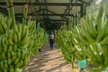
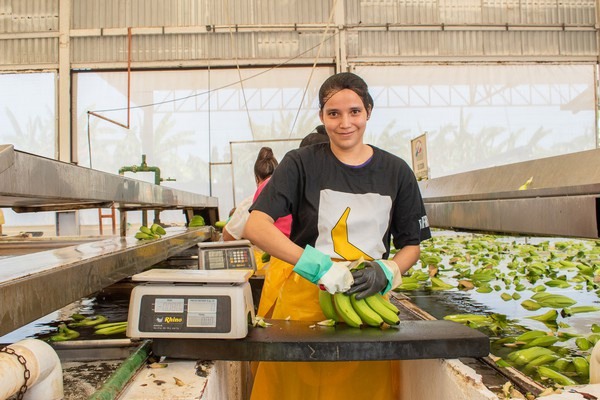
One of the company's packing houses in Mexico. Photo: Jose Ramon Campos Gutierrez
Extreme weather and supply pressure
As for weather conditions, weather is among the most important growing conditions for bananas and in recent years, climate change has been affecting those conditions across Latin America. These are emerging as changes in temperature and rainfall patterns impacting banana cultivation and of course, when one country in the region is impacted by extreme weather events, this pressures supply from other regions.
At the same time, with the presence of TR4 Fusarium now confirmed in Ecuador, growers are also feeling the need to invest more in more phytosanitary measures to control the spread of the disease. In turn, those measures have costs associated with them and that's adding pressure on smallholder growers. "The reality is that smallholder farmers are disproportionately affected by climate change. This reinforces the importance of Fairtrade pricing, which factors in the local cost of sustainable production, including climate resilience measures, so that smallholder growers can protect their livelihoods and continue to produce the fruit we love," says Chackal.
As for demand for Fairtrade bananas, even with challenging economic times, the numbers indicate that demand for the item is growing. In Canada, there was 521 percent volume growth in Fairtrade organic bananas from 2019 to 2024. In the US, Fairtrade banana volumes grew 15 percent between 2022 to 2024, all of which is indicative that major retailers are driving growth by switching organic banana programs to organic Fairtrade.
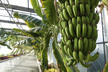
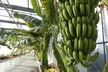
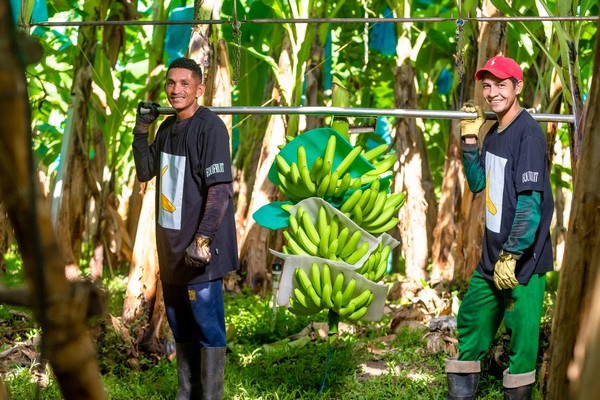 © EquifruitSome of the company's banana farmers. Photo: Guillermo Marcelo Cantillo Freja
Growing Fairtrade banana consumption
Indeed, Equifruit has been seeing consistent growth in its North American sales thanks in part to consumer demand for health-conscious and environmentally sustainable food choices. "As North America's largest Fairtrade banana importer, we can see our growth as a fair indicator of the demand for Fairtrade bananas," says Chackal. "This year our sales are robust, and we are exceeding contracted volumes with our current customers. To me, this is a sign that consumer demand for Fairtrade bananas in North America is continuing to grow."
As for pricing, at Fruit Attraction last October, Fairtrade International announced an increase in Fairtrade Minimum Prices for bananas, which came into effect in January 2026. This increase reflects the current local costs of sustainable production. "The burden of increased production costs, including climate mitigation and sustainability measures, should not be shouldered by growers alone, which is reflected in the Minimum Price increase," says Chackal.
 © Equifruit
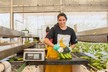
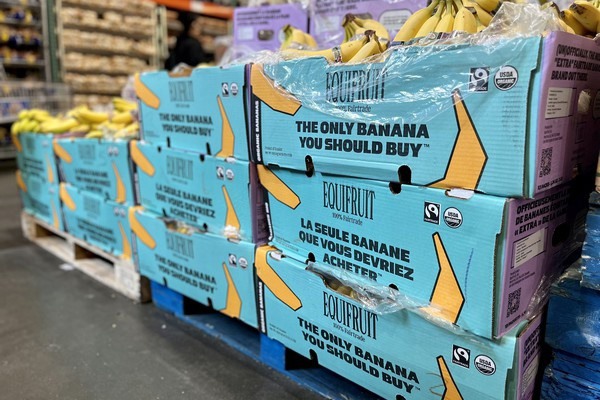
The company has been seeing consistent growth in its North American sales thanks in part to consumer demand for health-conscious and environmentally sustainable food choices.
Value in purchasing Fairtrade
However she notes that even with a slight increase in the Fairtrade banana price, they are still the most economical piece of fruit in a consumer's shopping basket. The company estimates that the total increase for consumers to switch to Fairtrade bananas for a whole year comes in at less than $1 per month–a negligible amount for most shoppers yet it makes an enormous difference to the lives of banana farmers who receive fair wages, safe working conditions and an additional Fairtrade Premium for community investments, all part of the Fairtrade Standards.
Actually, changing mindsets on Fairtrade banana pricing is still the biggest challenge facing Equifruit, which has been importing and marketing Fairtrade bananas in North America for 20 years. "We meet grocery retailers who love Equifruit, love our mission and understand the need for change, but they're afraid of raising the price of bananas," says Chackal. "We're here to help grocery retailers to do a full category reset on bananas. We've seen many retail partners who sell our Fairtrade bananas benefit from a halo effect: customers are happy to shop at a store that has a responsible procurement policy, and employees are proud to work there too. Young consumers today expect brands to be addressing the world's problems, so there's an opportunity for retailers to position themselves as a leader in sustainability."
 For more information:
Georgia Crump
Equifruit
Tel: +1 (833) 511-3247
[email protected]
www.equifruit.com